collar and cuff care
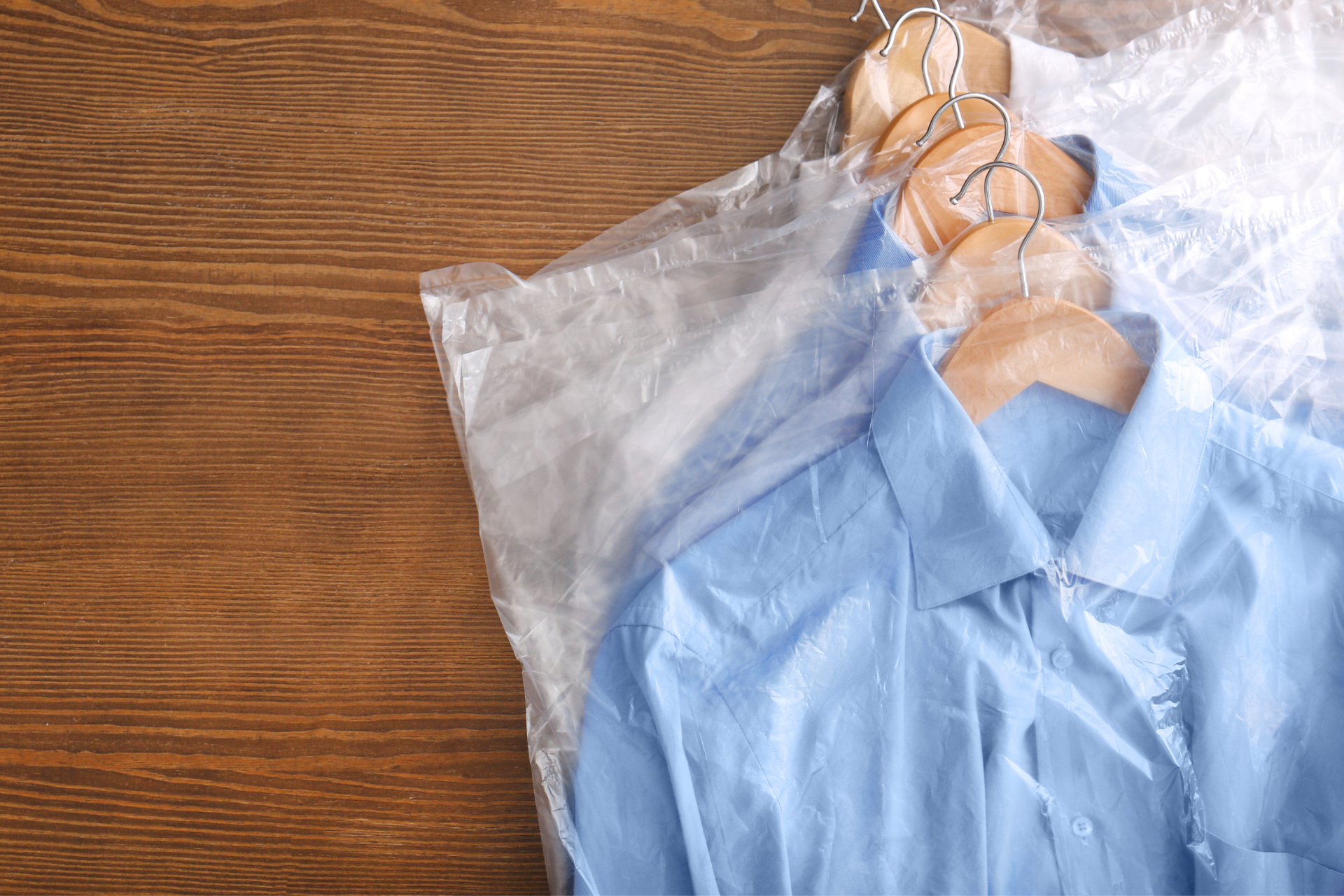
Few things are more frustrating than paying to have a shirt cleaned, then spotting the same dark ring around the collar or grime along the cuffs. Good collar and cuff care starts with understanding why those high-contact areas hold onto soil, then checking them before and after cleaning.
Key Takeaways
- Collar rings and cuff grime build up because those areas collect body oils and dirt every time you wear a shirt.
- Bringing stained shirts in sooner rather than later gives them the best chance of coming clean, since heat and time can set soil permanently.
- Skip the dryer when a shirt still has a visible stain, because heat locks the spot in for good.
- A quick look at collars and cuffs before and after each cleaning helps you catch stubborn spots while they are still treatable.
- For rings that keep coming back, stop by your neighborhood Pilgrim and let our team take a look.
Here’s the good news: visible marks are worth pointing out, not quietly hoping they disappear. Describe the stain and inspect the shirt before an important event so you can choose the right next step.
That Sinking Feeling: When Your Shirt Comes Back With the Collar Still Dirty
If a shirt comes back with a visible collar ring or soiled cuffs, inspect it before wearing it and tell the cleaner exactly where the marks remain. Collar and cuff soil can be stubborn, and cleaning results depend on the fabric, stain, and its history. No method can promise every mark will come out, especially if it has been present for a while or treated at home.
Why This Happens More Often Than It Should
The collar rests against your neck, while cuffs brush your wrists, desk, sleeves, and other surfaces throughout the day. Body oils and everyday grime collect there, often before the shirt looks dirty elsewhere. A quick glance at the front may miss a shadowed collar edge or faint yellow cast on a cuff.
That makes a shirt returned with visible soil especially disappointing when you need it for a party, interview, or workday. A cleaner may not know which mark is bothering you unless you point it out. Describe whether it is a dark ring, yellowing, makeup, food, or another stain, and share any home treatment you have tried. Those details help guide inspection and care.
What You Should Be Able to Expect From Any Cleaning
You should be able to ask about a remaining mark and have the garment checked. Before leaving the counter, identify the location and describe what you know about the stain. At pickup, look over the collar points, inner band, cuff edges, and folds in good light. Small marks can be easy to miss under store lighting or when you are in a hurry.
Why Collars and Cuffs Get So Grimy While the Rest of the Shirt Looks Fine
The Soil Mixture: Body Oils, Sweat, Dead Skin Cells, and Deodorant
Collar and cuff marks usually come from a mix rather than one easy-to-name stain. Skin oils, sweat, shed skin cells, and everyday residue transfer to fabric through repeated contact. Deodorant or skin-care products may add buildup, while dust and friction darken the affected area.
These spots get more rubbing than most of the shirt. A collar moves against your neck, and cuffs meet wrists, sleeves, and work surfaces. Repeated contact presses soil into the weave, so the shirt can look presentable overall while its edges show a gray or brown cast.
Why White Shirts Yellow at the Collar and Cuffs Over Time
On white and light-colored shirts, accumulated residue can become more noticeable with repeated wear and washing. A once-bright collar may take on a yellow or dull tone, and cuff edges can change too. Discoloration can be harder to judge when a shirt is damp or under warm indoor lighting, so check it in clear light before storing it.
Why These Two Spots Are the Hardest to Clean at Home
Ordinary washing may not fully remove oily soil settled into the fabric. Hard scrubbing can rough up fibers, distort a collar, or fray a cuff without lifting the mark. Dryer heat can also make some stains harder to remove, particularly when a spot has not been treated successfully.
Keep an eye out for these common trouble signs:
- A dark line where the collar touches the neck.
- Yellowing or grayness around the inner collar band or cuff edges.
- A mark that remains after washing or looks darker when the fabric dries.
- Rough, worn fabric where repeated rubbing or aggressive cleaning has taken its toll.
Spotting changes early gives you a clearer picture of the shirt’s condition. When you notice a stubborn mark, don’t assume stronger scrubbing or hotter water will solve it. The fabric and stain both matter, and treatment that is too harsh can leave the garment worse off.
Safe At-Home Pre-Care: Treat Collar and Cuff Stains Without Scrubbing
When a dark ring or yellowed edge appears, gentle pre-care can help without grinding soil deeper into the weave. Check the fabric and care label, then use a small amount of suitable laundry detergent on the affected area. The goal is to loosen residue, not force a mark out. If the shirt is delicate, the stain is old, or you are unsure how the fabric will react, skip home treatment and ask a cleaner to assess it.
Step-by-Step: Gently Pre-Treating a Collar or Cuff
Work over a clean sink or towel, keeping treatment focused on the stained section. Follow these steps before laundering, provided the care label allows washing:
- Check the label. Confirm that the shirt can be washed at home and note temperature or cycle limits.
- Test first. Dab a small amount of detergent on a hidden area. Follow the product directions and check for color change or damage.
- Dampen the soil. Use cool or lukewarm water, based on the label, to moisten the collar or cuff.
- Apply detergent gently. Work a small amount into the marked area with your fingertips or a soft cloth. Avoid twisting or stretching the fabric.
- Let it sit briefly. Follow the detergent label for timing. Rinse or launder as directed, then inspect the area before drying.
If the mark remains after washing, don’t repeat stronger treatments. Tell a cleaner what you used; that information can help guide the next step.
What Never to Do: Dryer Heat, Bleach Guesswork, Hard Scrubbing
Do not put a shirt in the dryer while a stain is visible. Heat can make some marks harder to remove. Avoid vigorous brushing, which can wear down fibers, roughen the surface, and distort collar or cuff edges. Bleach is not a safe guess for every white shirt; it may damage fabric or change its color. Some stains become permanent when they sit too long or receive the wrong treatment, so stop if the fabric starts to look or feel different.
Reading the Care Label Before You Touch the Fabric
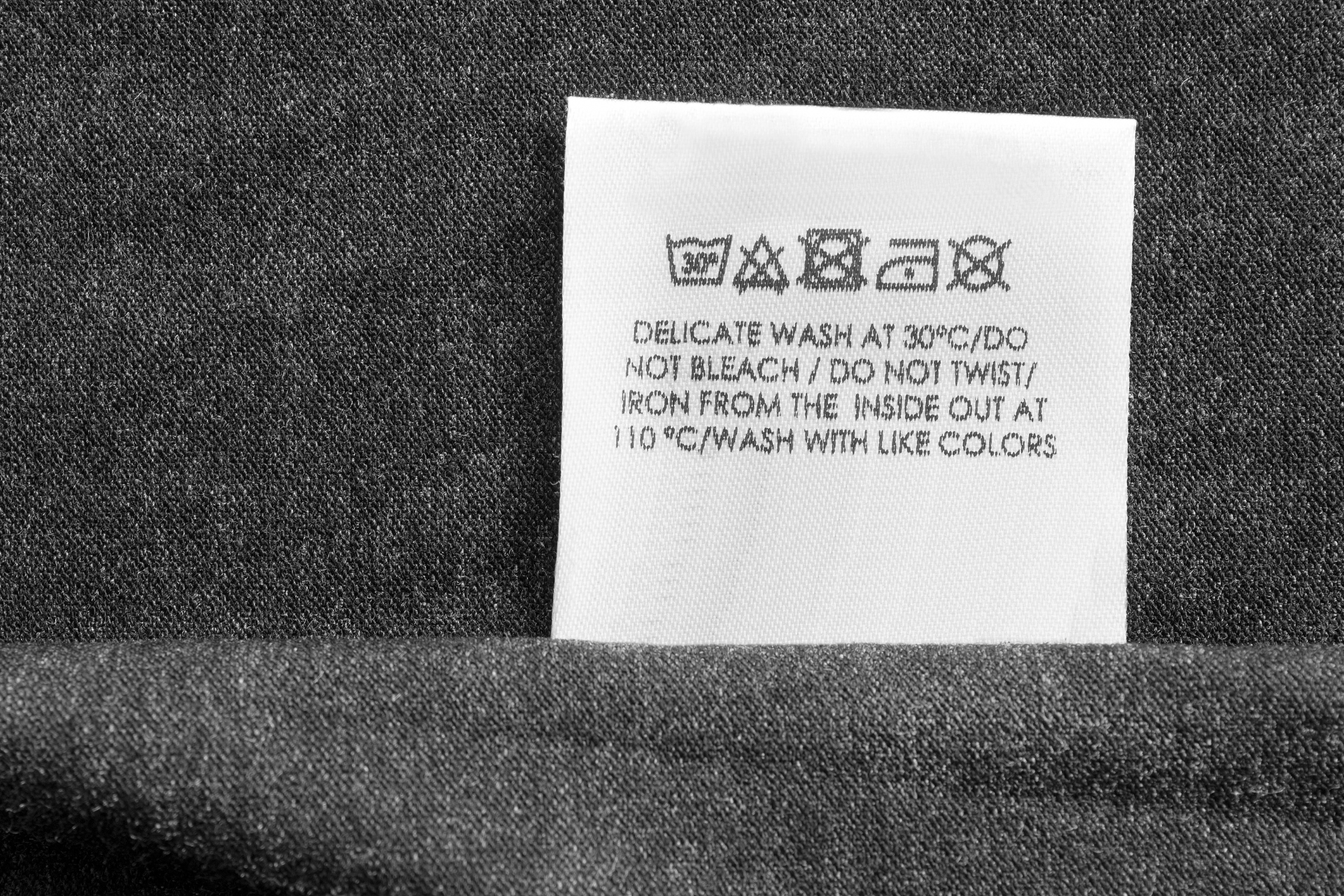
The care label sets the boundaries for washing, drying, and ironing. Look for instructions about water temperature, machine washing, bleach, and professional care. A white shirt is not automatically bleach-safe, and a familiar-looking fabric may have special finishing or trim. If the label says dry clean only, or the shirt combines materials with different care needs, do not pre-treat it as washable. Keep the label in view when choosing a cleaning method.
Dry Cleaning vs. Home Laundering for Collar and Cuff Results
The right method depends on the shirt’s care label, fabric, construction, and stain. Many everyday washable shirts can be laundered at home, while garments labeled for dry cleaning need professional care. Neither method can promise every yellow or dark mark will disappear. Match the process to the garment rather than choosing based only on how visible the stain looks.
How Professional Cleaning Attacks Collar Soil Differently
A cleaner can inspect the stain and fabric, then choose treatment suited to the garment. Dry cleaning uses a process other than ordinary home washing, while laundering cleans with water and detergent. A professional may give visible collar or cuff soil focused attention before the main cleaning process, based on the fabric and stain. Point out the exact mark and mention any detergent, stain remover, or other product already used. This helps the cleaner assess the garment without assuming one treatment fits every shirt.
Comparison Table: Which Method for Which Shirt
Use the label as your first guide. The comparison below offers a practical starting point, not a substitute for garment-specific instructions.
| Situation | Home laundering | Professional dry cleaning |
|---|---|---|
| Care label permits washing | Follow the listed water temperature, cycle, and drying directions. Inspect the collar and cuffs before using heat. | May be an option if you want professional assessment, though the label and garment needs should guide the choice. |
| Care label says dry clean only | Avoid washing or applying home stain products that could harm the fabric. | Bring the shirt in and point out the affected areas for inspection. |
| Mark remains after washing | Do not dry the shirt with the stain still visible or escalate to harsher scrubbing. | Describe previous treatment and ask whether another professional approach is suitable. |
When Pre-Treatment at the Counter Makes the Difference
Before handing over a shirt, identify the collar ring, cuff discoloration, or other visible mark. Share what caused it, if you know, how long it has been there, and whether you have tried washing or spot treatment. If you are unsure about home pre-treatment, leaving the garment untreated and explaining the issue can be safer, especially for a dry-clean-only shirt. The cleaner can review the care label and stain before deciding what process is appropriate. Some marks may not come out, but clear details make an informed assessment possible.
The Inspection Habit: Check Before Drop-Off and Check Before You Wear
Good collar and cuff care involves two quick checks: tell the cleaner what needs attention, then inspect the shirt before wearing it. This gives you a chance to share useful details at drop-off and catch a lingering mark before an event. Look at the collar band, points, cuff edges, and folds in clear light. If a spot remains, ask about it before leaving with the shirt.
Point Out the Collar and Cuff Issue When You Drop It Off
Show the cleaner the exact area instead of saying only that the shirt is dirty. Describe what you see, such as a dark ring, yellowed edge, makeup, or food stain. If you know when it appeared or what caused it, share that, along with any home washing, detergent, or stain product already used. Those details help the cleaner assess the fabric and its history before selecting a process.
Ask whether the care label and stain are suitable for the requested service, and whether the area can be noted for inspection. No treatment can promise removal of every mark, but clear communication helps avoid a missed spot and gives you a chance to discuss remaining soil at pickup.
Quick-Reference Checklist: Inspecting Before You Wear
Before putting on a freshly cleaned shirt, check the places that show first. Use good light and compare the marked areas with the rest of the fabric. If the shirt is for a specific occasion, inspect it when you bring it home, not while getting ready to leave.
- Check the inner collar band, collar points, and the full curve where the fabric touches your neck.
- Look along both cuff edges, including the underside and button area.
- Check for discoloration, a shadow, stiffness, or a stain that becomes more visible as the fabric dries.
- Confirm that buttons, seams, and fabric feel as expected before dressing.
- If you find a mark, keep the shirt out of the dryer and ask the cleaner to review it.
When to Ask a Professional Cleaner (or Tailor) for Help
Ask a cleaner to assess a stain that remains after washing, a delicate or dry-clean-only shirt, or a mark you cannot identify. Bring the care label into the conversation and describe any treatment already tried. A tailor may help with a separate fit or construction issue, such as a cuff that no longer sits properly or a button that needs attention. Stain treatment and alterations are different jobs, so explain the problem you want addressed before service begins.
Beat-the-Clock Care for Weddings, Interviews, and Holiday Parties
When a wedding, interview, or holiday party is close, check the shirt before the event day. Same-day service is available for qualifying dry cleaning and laundered shirts at most Pilgrim locations, subject to the weekday cutoff, store availability, and garment needs. It is not a wash-and-fold service promise. Call or stop by your location early to ask whether your shirt is eligible and when it would be ready.
For a time-sensitive garment, don’t wait until you’re already getting dressed to look for a clean collar. Stop by your neighborhood Pilgrim with the shirt and point out the areas you want checked.
Frequently Asked Questions
Why do shirt collars and cuffs get so dirty when the rest of the shirt looks clean?
Collars and cuffs collect a mix of body oils, sweat, dead skin cells, and deodorant residue through constant contact with your neck, wrists, and surfaces. That repeated friction presses soil into the fabric weave, so a shirt can look fine overall while the edges show a gray or brown cast.
Why do white shirts turn yellow at the collar and cuffs?
Yellowing happens when oils and residue build up on white and light-colored fabric over repeated wear and washing. The discoloration can be tricky to judge when a shirt is damp or under warm indoor lighting, so check the collar and cuffs in clear, natural light.
How do I pre-treat a dirty shirt collar at home without damaging it?
Check the care label first, then work a small amount of gentle laundry detergent into the stained area with your fingertips or a soft cloth using cool or lukewarm water. Let it sit briefly, rinse or launder as directed, and inspect the spot before drying. Never put the shirt in the dryer while a stain is still visible, since heat can set it.
Should I scrub a stubborn collar stain harder or use bleach?
No, hard scrubbing and bleach guesswork often make things worse. Vigorous brushing can wear down fibers, distort collar edges, and fray cuffs without lifting the mark. If a stain is old, the shirt is delicate, or you're unsure how the fabric will react, skip home treatment and let a professional cleaner assess it.
What should I do if my shirt comes back from the cleaner with the collar still dirty?
Point it out right away before wearing the shirt. Describe the mark, whether it's a dark ring, yellowing, makeup, or food, and mention any home treatments you tried. A cleaner may not know which spot is bothering you unless you identify it, and those details help guide the next step.
Can every collar and cuff stain be removed?
Honestly, no. Cleaning results depend on the fabric, the stain, and its history, and marks that have been present a while or treated incorrectly at home can be much harder to lift. The sooner you bring the shirt in and describe what you know, the better the chances.
When should I inspect my shirt for collar and cuff stains?
Check the collar points, inner band, cuff edges, and folds at drop-off and again at pickup, in good light and before you need the shirt for an event. Store lighting and a hurried pickup can hide small marks, so a quick once-over at the counter is worth the extra minute.