alterations on a wedding dress
If your gown pulls at the bodice, drags on the floor, or feels loose across the back, a tailor can adjust its fit and finish. Wedding dress alterations depend on the gown’s construction, your measurements, and the look you want. Knowing what each change can do helps you plan.
Key Takeaways
- Wedding dress alterations adjust the bodice, hem, and back so your gown fits your measurements and the look you have planned.
- The gown's construction plays a big role in which changes are possible, so it helps to know what each adjustment can realistically do.
- Planning ahead makes the process easier, since every alteration depends on the dress design and your timeline.
- Our team has offered tailoring at several Twin Cities locations for years, and on-site tailors are available at six of our 28 stores.
- If your gown needs a fitting before the big day, stop by a participating Pilgrim location and let us walk you through the options.
Bring the dress, shoes, and intended undergarments to a fitting. Here’s what common adjustments involve, what before-and-after results may show, and how much time to leave before your wedding.
What Alterations on a Wedding Dress Involve (and What They Really Change)
Wedding gown alterations adjust the fit, length, support, or details of a dress you’ve already purchased. Common work includes hemming the skirt, adding a bustle, taking in or letting out the bodice, and adjusting straps or sleeves. Back changes and lace or beadwork adjustments may also be possible, depending on the gown’s seams, fabric, and construction.
The Common Alteration Types: Hem, Bustle, Bodice, Straps, and Sleeves
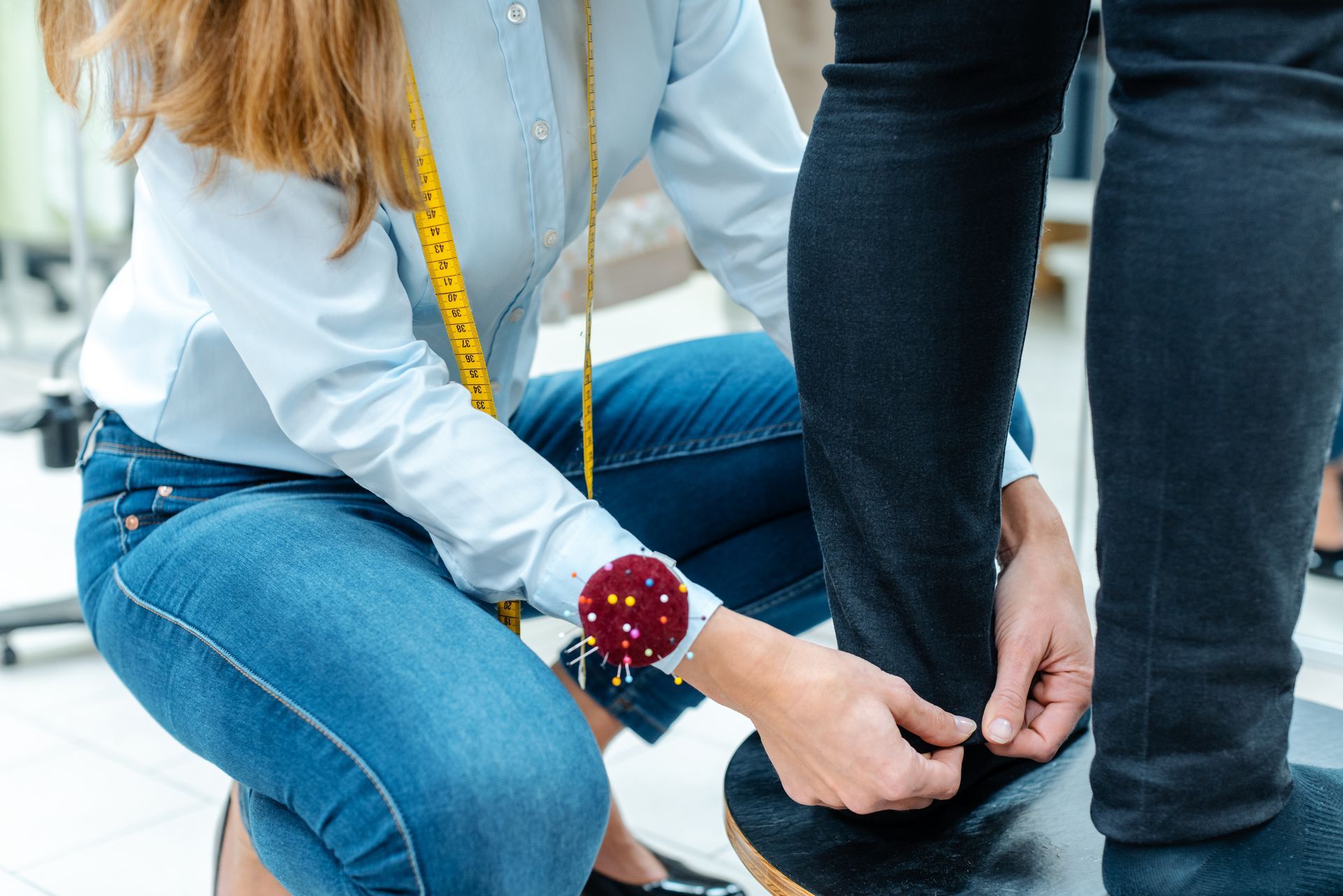
A hem shortens the skirt to the intended length with your wedding shoes. A bustle secures the train after the ceremony, making it easier to walk and dance. Bodice adjustments can improve how the gown sits through the waist, bust, or hips. Strap and sleeve changes may address slipping, tightness, or a preferred neckline and coverage.
The finished look depends on the dress design. Layers, lining, appliqué, and delicate fabric can affect how a tailor approaches a change. Bring your wedding shoes; even a small difference in heel height can change the hem length.
Back Alterations: Zipper-to-Corset Conversions and Lace-Up Backs
A back alteration may change the closure or refine the fit, but it isn’t a universal fix for a gown that is far too small or large. Converting a zipper to a lace-up or corset-style back can allow some adjustment, though the tailor must assess the dress’s structure, fabric, and available seam allowance. A lace-up back also changes the gown’s appearance, so consider how it will look from behind and whether the support feels secure.
Cups, Support, Lace, and Beadwork Adjustments
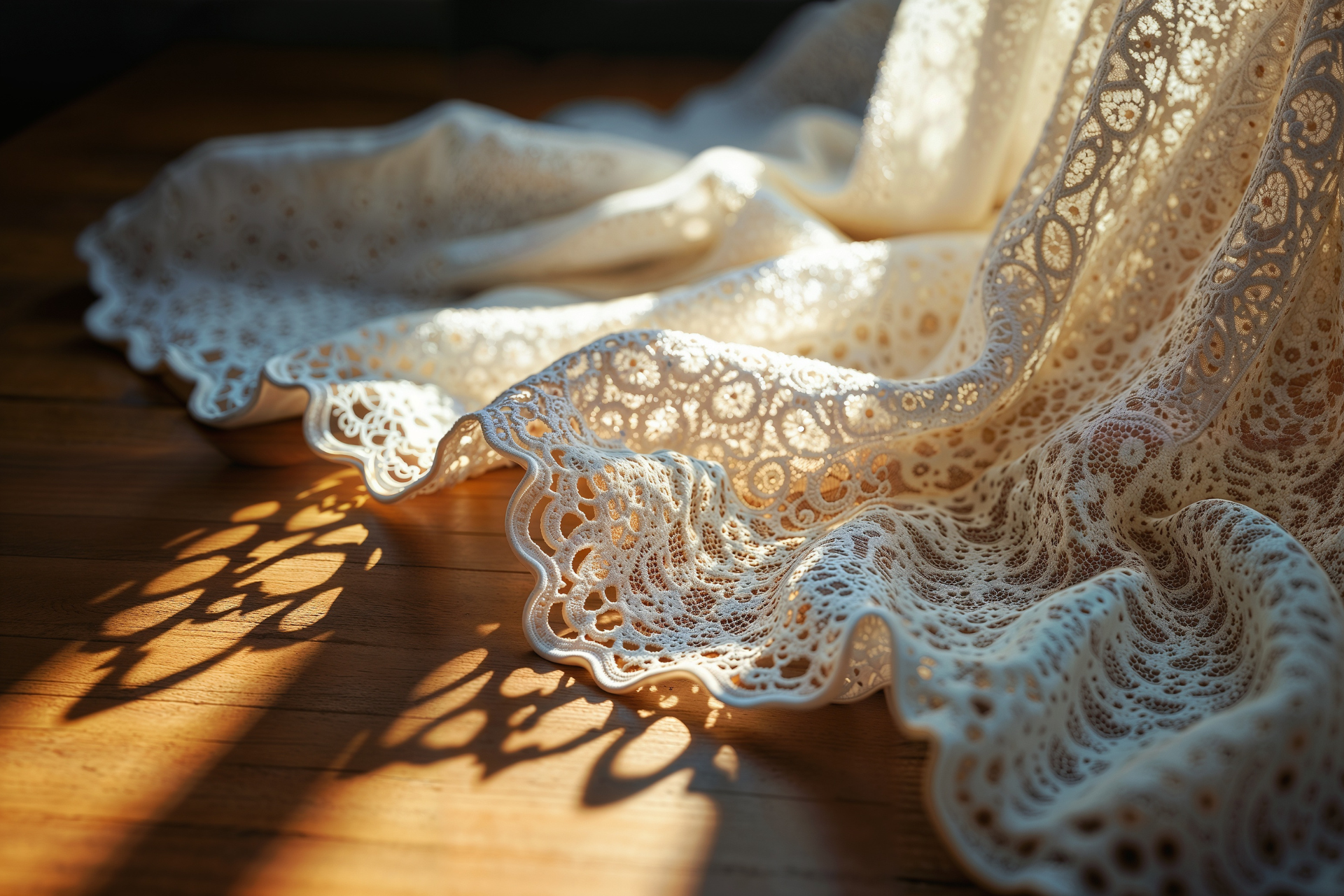
Cups or other support may be added or repositioned for comfort and shape beneath the bodice. Lace, embroidery, and beads can complicate nearby changes because details may need careful removal and reapplication. Ask the tailor which embellishments will be moved and how that could affect the original design.
Pilgrim Dry Cleaners. Wedding Dresses & Formalwear includes tailoring and alterations at six on-site tailor shops. The service also covers wedding dress cleaning and pressing, with care suited to the garment’s needs.
Before-and-After: What Each Alteration Actually Fixes
A before-and-after comparison is most useful when it shows the same gown, wearer, shoes, and camera angle. A hem change should show the skirt at the chosen length; a bustle should show how the train is gathered after the ceremony. A bodice adjustment may smooth excess fabric or reduce pulling, while a back change may alter both the closure and the gown’s silhouette.
Use examples as visual guides, not promises of an identical result. Dress construction and fit needs vary. At a fitting, ask the tailor to pin the proposed changes so you can see how the proportions may look before work begins.
| Adjustment | What it changes | What to check at a fitting |
|---|---|---|
| Hem | Skirt length | Floor clearance in your wedding shoes |
| Bustle | How the train is secured after the ceremony | Comfort and ease of fastening |
| Bodice adjustment | Fit through the upper body, waist, or hips | Comfort while sitting, standing, and moving |
| Back or closure change | Back fit and gown appearance | Support, closure placement, and design changes |
How Long Wedding Dress Alterations Take and When to Book
How long do wedding dress alterations take? David’s Bridal says the process typically spans 8 to 12 weeks and includes three fittings. It recommends booking the first fitting at least three to four months before the wedding. Your schedule may differ based on the gown, the work needed, and the tailor’s availability, so ask about an appointment well before the final weeks.
How Many Fittings You’ll Need and How They’re Spaced
Many brides should plan for three fittings: an initial assessment and pinning, a follow-up to check adjustments, and a final fitting to confirm fit and finish. The spacing gives the tailor time to complete each stage and make refinements. David’s Bridal notes that a first bridal fitting usually takes about an hour. Bring your shoes and intended undergarments so the fit check reflects how you’ll wear the gown.
A Step-by-Step Timeline from Purchase to Wedding Day
- Several months before: Contact a tailor, describe the gown and wedding date, and schedule an assessment.
- First fitting: Try on the dress so the tailor can evaluate length, fit, support, and possible changes.
- Follow-up fitting: Review the work in progress and identify any remaining adjustments.
- Final fitting: Check comfort, movement, hem length, and bustle before taking the gown home.
Allow time for fittings and the work between them. If your measurements change, tell the tailor promptly so you can discuss the plan before your next appointment.
David’s Bridal Alterations: Process, Timeline, and the Fit Guarantee
David’s Bridal publishes an 8-to-12-week typical alterations timeline, recommends a first appointment three to four months before the wedding, and describes a process that commonly includes three fittings. Its published information also says it does not ask brides to sign a waiver promising their body will remain unchanged between purchase and the wedding. Ask the provider about current Fit Guarantee terms, eligibility, and coverage before deciding where to book.
A Minnesota Timeline: Booking Around Winter Weddings and Busy Seasons
Your Minnesota wedding may fall during a busy event season or a time of weather-related travel. Contact the shop once you know your date and ask about appointment availability instead of assuming a particular opening. For a winter wedding, allow extra flexibility for travel between fittings in snow or icy conditions.
Wedding Dress Alteration Costs: A Realistic Breakdown by Alteration Type
After buying a gown, a separate tailoring quote can feel like an unwelcome surprise. Alteration costs depend on the work involved, the construction, and the fabric. Simple adjustments may cost less; detailed work on a heavily embellished gown can cost more. Treat these ranges as planning estimates, not a quote for your dress.
Typical Price Ranges for Hems, Bustles, Bodices, and Back Work
The estimates below offer a starting point for budgeting. Back work varies widely: changing a closure or reshaping the back may involve adjusting the bodice and handling lace or other details. Have your gown assessed before treating any estimate as a final price.
| Alteration | Typical estimate | What can affect the work |
|---|---|---|
| Back or closure work | Varies by design | Closure changes, fit adjustments, and lace or trim |
What Drives the Price Up (and How to Avoid Surprise Costs)
Labor increases when a tailor works through multiple skirt layers, reshapes a structured bodice, or removes and reattaches lace and beads. Several adjustments on one gown also add up. Before approving work, ask for an itemized estimate that separates each change, notes uncertain costs, and explains what the quoted price includes.
Bring the gown and describe the fit concerns you want addressed. Agree on the proposed changes before work begins, and ask how a design change could affect the final appearance. Pilgrim Dry Cleaners. Wedding Dresses & Formalwear includes tailoring and alterations at six on-site tailor shops. Contact the shop for a gown-specific estimate; the service name alone does not establish a price.
Altering Off-the-Rack and Online-Bought Dresses
An off-the-rack or online gown may need the same fit adjustments as any other dress. Its starting size does not determine the final bill: construction, fabric, seam allowance, lining, and embellishment offer better clues. A gown needing only a hem may require less work than one needing changes to its bodice, back, and train.
Have the tailor assess the garment before budgeting around a low online estimate. Pilgrim Dry Cleaners. Wedding Dresses & Formalwear covers wedding dress care and alterations. Ask for a written estimate based on your dress and the changes you want.
Fitting-Day Prep: What to Bring, Wear, and Ask
A fitting goes more smoothly when your tailor can see how the gown will sit on your wedding day. Bring what you plan to wear with it, and speak up about anything that feels tight, loose, or difficult to move in. Good fitting etiquette is practical: arrive ready to try on the gown, share your preferences, and leave time to discuss the proposed work.
Your Fitting-Day Checklist: Shoes, Undergarments, and Support Pieces
Use this checklist to make the appointment useful from the first try-on:
- Wedding shoes: Bring the pair you expect to wear, or a pair with the same heel height, so the tailor can check the hem.
- Undergarments: Wear the bra, shapewear, or other pieces you expect to use with the gown.
- Support pieces: Bring any removable cups, straps, or accessories you want considered with the dress.
- Inspiration: Save a few reference photos if they show a detail you want to discuss, such as sleeve length or bustle placement.
- Wedding details: Share the date and any movement needs, such as walking outdoors or dancing.
Who to Bring (and Who to Leave at Home)
Bring one or two trusted people if their feedback helps you decide. Too many opinions can make it harder to focus on your comfort and preferences. A support person can help assess the look, but the tailor needs room to pin and check the gown. If you’re unsure about a change, ask to see the pinned version and take a moment before approving the work.
Questions to Ask Your Tailor Before Work Begins
Ask what each adjustment involves, how it may affect the gown’s appearance, and whether details or embellishments need to be moved. Request an itemized estimate and ask what the price includes. Confirm the fitting and pickup schedule, plus how to contact the shop if your measurements change. Clear answers can ease worry about whether the gown will fit as planned.
Cleaning, Pressing, and Preservation: The Before-and-After the SERP Forgets
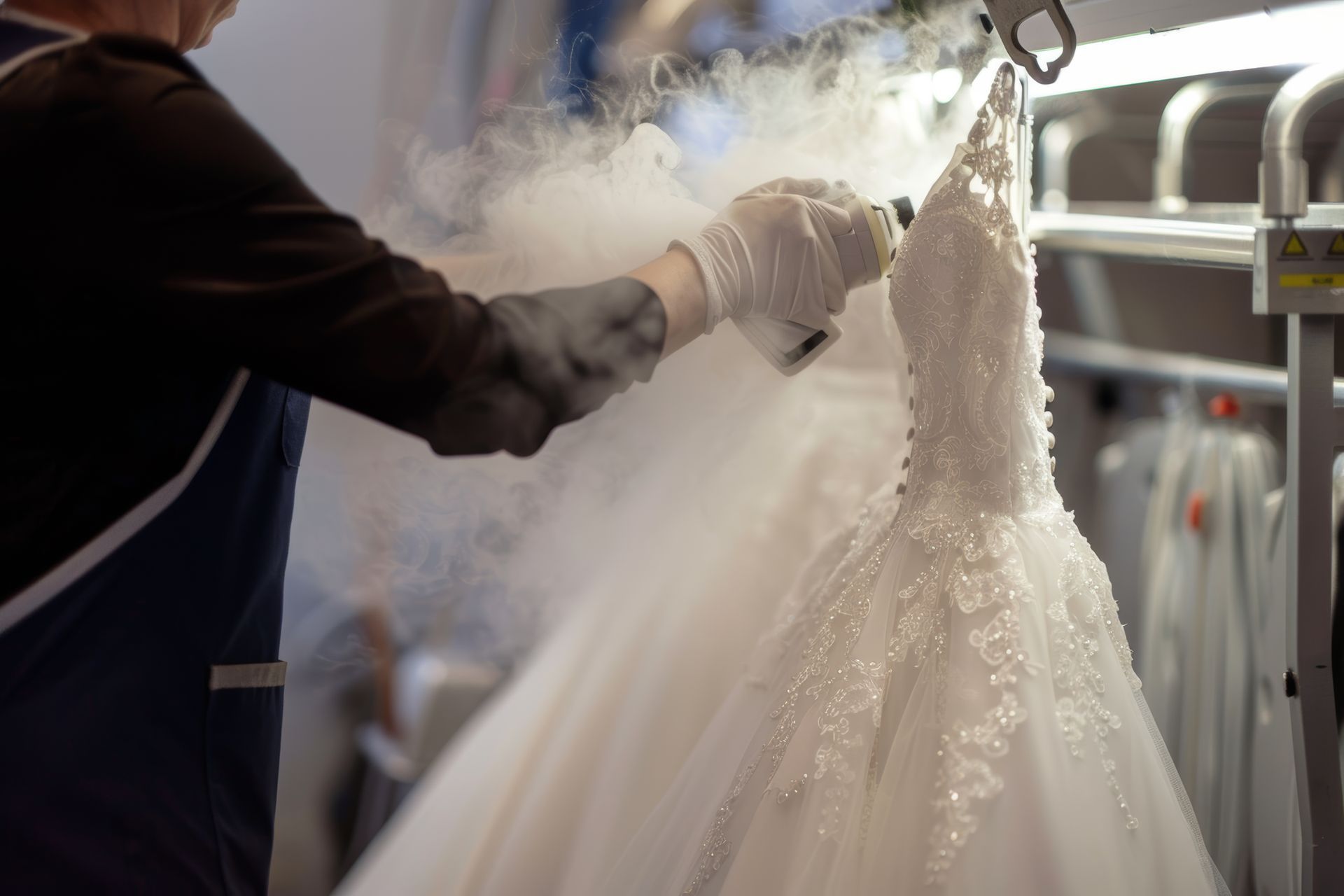
Cleaning and pressing are separate from fitting work, so ask when each is appropriate for your gown’s fabric and care instructions. Prompt attention after the celebration may help address marks from wear, though no cleaning result can be promised in advance. Pilgrim Dry Cleaners. Wedding Dresses & Formalwear includes wedding dress cleaning and pressing, plus wedding dress preservation in acid-free paper-lined boxes.
Booking Wedding Dress Alterations in the Twin Cities
Choose a tailor who can assess your gown in person and explain the proposed work before you approve it. Pilgrim Dry Cleaners. Wedding Dresses & Formalwear offers tailoring and alterations at six on-site tailor shops, alongside wedding dress care. Contact your chosen location about appointment availability and a gown-specific estimate.
Six Pilgrim Locations with On-Site Tailors (Phones and Addresses)
Each location below has an on-site tailor. Call the store to discuss your gown and arrange the next step. Tailor availability and appointment details can differ by location.
| Location | Address | Phone |
|---|---|---|
| Golden Valley | 7860 Olson Memorial Hwy, Golden Valley, MN 55427 | Store: 763-545-8002 Tailor: 763-595-0194 |
| Minnetonka, Ridgedale Drive | 12901 Ridgedale Dr, Minnetonka, MN 55305 | Store: 952-546-9200 Tailor: 952-546-4466 |
| St. Louis Park | 4120 Minnetonka Blvd, St. Louis Park, MN 55416 | Store: 952-922-6056 Tailor: 763-420-2091 |
| Maple Grove | 13579 Grove Dr, Maple Grove, MN 55311 | Store: 763-420-6770 Tailor: 763-420-2091 |
| Plymouth | 4130 Berkshire Ln N, Plymouth, MN 55446 | 763-519-1180 |
| Lakeville | 17430 Kenwood Trl, Lakeville, MN 55044 | 952-898-3688 |
Your Next Step: Schedule Your First Fitting
Call the location that works best for you with your wedding date, gown details, and main fit concerns. Ask about the next available fitting and what to bring. A conversation with the tailor is the clearest way to plan the work around your dress and schedule.
Explore Pilgrim Dry Cleaners. Wedding Dresses & Formalwear and contact a nearby on-site tailor shop to get started.
Frequently Asked Questions
What should I wear to a bridal appointment for alterations?
Bring your wedding dress, your shoes, and the undergarments you plan to wear on the big day. Even a small change in heel height can affect your hem length, so having the real items at each fitting helps your tailor get the fit right.
How long do wedding dress alterations take?
Wedding dress alterations typically take 8 to 12 weeks and include about three fittings, according to David's Bridal. It's best to book your first fitting at least three to four months before the wedding, since timing can vary based on the gown and the tailor's schedule.
How many fittings will I need for my wedding dress?
Most brides plan for three fittings: an initial assessment where the tailor pins the changes, a follow-up to check the work, and a final fitting to confirm comfort and finish. The first fitting usually takes about an hour, so leave room in your schedule.
Can a tailor add a corset back to my wedding dress?
Yes, a tailor can often convert a zipper to a lace-up or corset-style back, but it depends on the gown's structure, fabric, and available seam allowance. Keep in mind that a corset back also changes how the dress looks from behind, so consider the design before committing.
What alterations can be done on a wedding dress?
Common wedding dress alterations include hemming the skirt, adding a bustle, taking in or letting out the bodice, and adjusting straps or sleeves. Tailors can also reposition cups for support and work around lace or beadwork, depending on the dress's seams and construction.
How do I alter a wedding dress to fit better?
Start by scheduling an assessment with a tailor several months before your wedding. At the first fitting, the tailor will pin proposed changes so you can see the proportions, then refine the fit through follow-up visits. Bring your shoes and undergarments to every appointment.
How far in advance should I book wedding dress alterations in Minnesota?
Contact a tailor as soon as you know your wedding date, ideally three to four months out. Winter weddings and busy event seasons fill up quickly in Minnesota, so call early to ask about appointment availability rather than assuming a shop has openings.