cashmere cleaning
Worried that one wash could shrink your favorite sweater? Gentle handling matters because cashmere’s fine animal fibers can change shape or felt when exposed to heat and friction. The right method depends first on the care label, then on the garment’s construction.
Key Takeaways
- Always check the care label before washing, since it tells you whether a cashmere garment can handle water at all.
- Heat and friction are the main threats to cashmere, so cool water and gentle handling help the fibers keep their shape.
- Hand washing is often the safest option at home, as long as you keep the water cool and avoid wringing the garment.
- A mesh bag and a delicate cycle give machine washing a better chance of success for sturdy cashmere knits.
- Structured or delicate cashmere pieces are often best left to professional cleaning, and we're happy to take a look.
For cashmere cleaning at home, hand washing is often the gentlest option for washable pieces. Here’s how to choose a mild cleanser, wash without twisting the fibers, and handle a small stain carefully.
What Cashmere Is and Why It Needs Gentle Cleaning
Cashmere comes from the soft undercoat of cashmere goats. Its fine fibers feel light and warm, but water, heat, and rough handling can alter their shape. A sweater isn’t automatically delicate beyond care; the key is following its label and avoiding unnecessary friction.
The Fiber Story: Goat Undercoat, Staple Length, and Quality
Fiber length helps explain why some sweaters pill sooner than others. Longer-staple fibers tend to hold together better, while shorter fibers can work loose from the yarn and gather into small balls on the surface.
How to Read a Cashmere Care Label (and What 'Dry Clean Only' Really Means)
Read the care label before choosing a wash method. “Hand wash” means use a gentle hand-washing process; “dry clean only” means the maker recommends professional cleaning rather than home laundering. If a label allows washing, follow its water-temperature and drying instructions. If it says dry clean only, don’t assume a careful hand wash is interchangeable. The Pilgrim Dry Cleaners. Dry Cleaning Service is an option for garments whose labels call for professional care.
Why Pilling Happens, and When It Signals Poor Quality vs. Normal Wear
Pilling happens when loose fibers rub together and tangle into little knots. It’s common in areas that see friction, such as under the arms or where a bag strap rests, and doesn’t automatically mean the sweater is poorly made. Shorter fibers may pill more readily, while everyday wear can cause some surface fuzz on any knit. Avoid vigorous rubbing during washing, which can add friction and increase fuzzing.
How to Wash Cashmere by Hand: The Safest Home Method
Hand washing gives you control over water temperature and movement, which helps limit stress on the knit. Set aside about 15 to 20 minutes for the washing itself; Wirecutter gives that estimate, not including drying time. Check the label first, and skip home washing if it specifies dry cleaning only.
Choosing a Cashmere-Safe Detergent (Woolite, Wool Washes, and Baby Shampoo Compared)
The best detergent for cashmere is a mild product labeled for wool or other delicate fibers. Use a small amount and follow its directions. Can you use Woolite on cashmere? Choose it only if the specific product label says it is suitable for wool or delicates. Baby shampoo is sometimes suggested as a substitute, but it isn’t formulated specifically for garments, so a labeled wool wash is the clearer choice.
| Cleanser | What to check | Practical guidance |
|---|---|---|
| Wool wash | Label suitability for wool or cashmere | Use as directed, without adding extra detergent. |
| Woolite | Directions on the exact product | Use only when its label permits wool or delicate items. |
| Baby shampoo | It is not a garment-care formula | Prefer a cleanser labeled for wool when available. |
Step-by-Step Hand Washing Walkthrough
- Fill a clean basin with cool or lukewarm water. Guidance from Vogue commonly recommends water around 20°C, about 68°F.
- Add the amount of wool-safe detergent stated on its label and gently mix it into the water.
- Submerge the sweater and press it softly under the water. Let the soapy water move through the knit without scrubbing, stretching, or twisting.
- Drain the basin and rinse with clean water at a similar temperature. Press gently to release water; don’t wring the garment.
If you’re unsure whether a label permits washing, choose a professional service rather than testing the sweater at home. Pilgrim Dry Cleaners. Dry Cleaning Service handles dry-cleaning garments, and its team can help you understand the appropriate next step for a labeled item.
Spot Cleaning Small Stains Between Washes
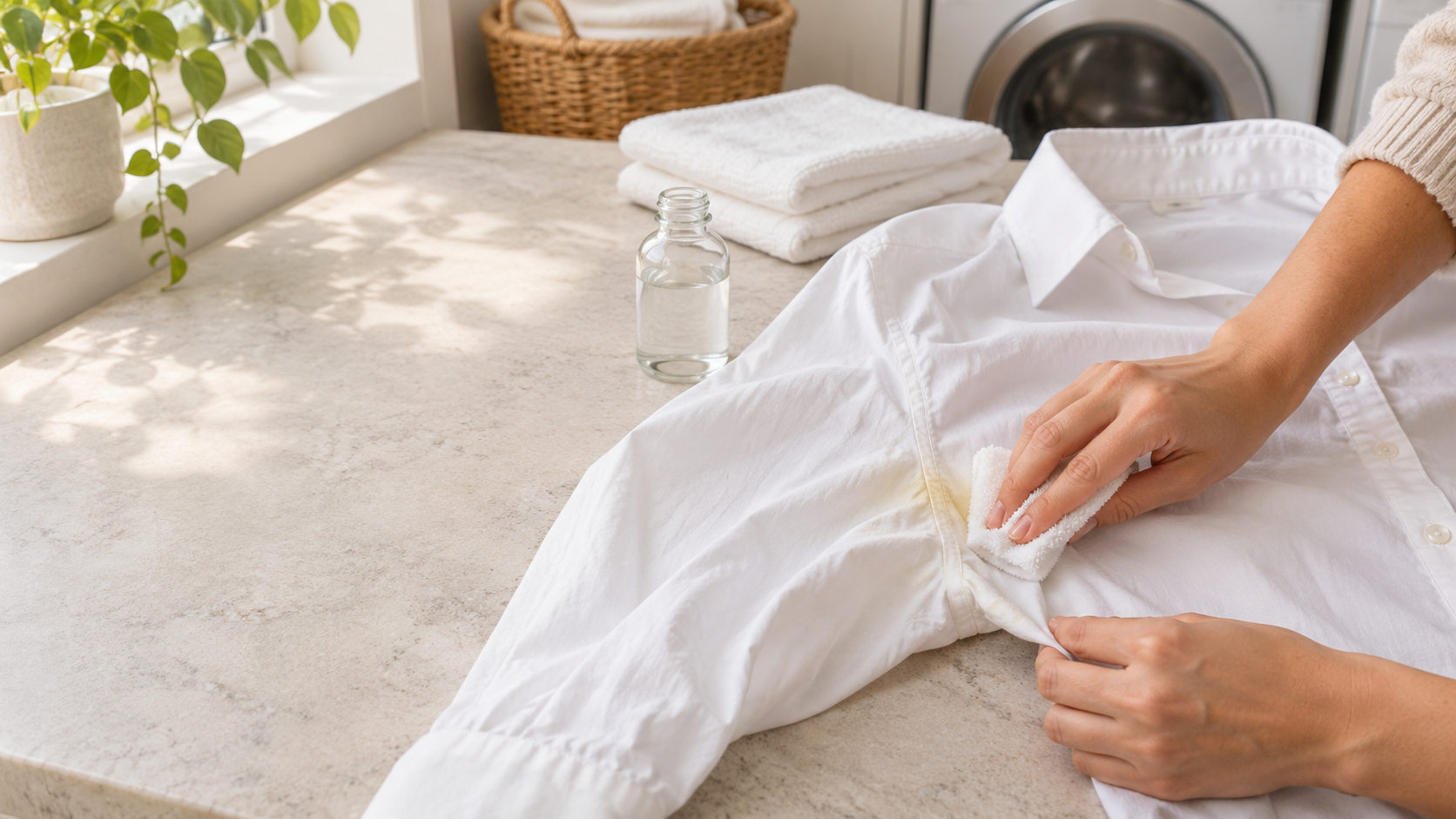
For a small fresh mark, blot gently with a clean, damp cloth rather than rubbing. If the care label allows water, use a little cool water and a drop of suitable wool wash, then blot again with clean water. Avoid stain removers or aggressive scrubbing unless their labels specifically allow use on cashmere. If the mark persists or its source is unclear, stop before it spreads; specialized treatment may be a better choice than repeated home attempts.
Machine Washing Cashmere: Safe Settings and Real Risks
If the care label allows machine washing, use the gentlest setup your washer offers. Cold water, low agitation, and a mesh bag help limit stretching and rubbing, though machine washing still gives you less control than washing by hand. For cashmere cleaning, follow the garment’s care label first; skip the washer if it says “dry clean only” or gives other professional-care instructions.
Cold Water, Mesh Bag, Wool Cycle: The Setup That Protects the Fiber
Fasten any closures, turn the garment inside out, and place it in a mesh laundry bag. Wash it alone or with a few similar lightweight items, using cold water and a wool or delicate cycle with a low spin. Add a small amount of detergent labeled for wool or delicates, following the product directions. Don’t overload the drum: cashmere needs room to move gently, not press against a full load.
| Washer setting or step | Safer choice | Why it helps |
|---|---|---|
| Water temperature | Cold | Limits heat exposure that can contribute to shrinkage. |
| Cycle and spin | Wool or delicate, low spin | Reduces vigorous movement and pulling. |
| Garment protection | Inside out in a mesh bag | Helps reduce direct rubbing against the drum and other items. |
| Load size | Small, with similar lightweight pieces | Leaves room for gentler movement. |
Why Hot Water and Agitation Shrink and Felt Animal Fibers
Cashmere fibers can swell when wet. Heat, vigorous agitation, and friction can make them rub and catch against each other, tightening the knit into a denser, smaller shape. That change is called felting, and it may be difficult or impossible to reverse. A gentle cycle lowers the stress, but it doesn’t remove the risk; if you’re worried about a valuable or especially delicate piece, avoid experimenting with the washer.
How Often to Wash Cashmere: A Wear-Count Schedule
Cashmere doesn’t need washing after every wear. A common expert guideline from N.Peal is to wash sweaters after about five to ten wears, adjusting for sweat, odors, visible soil, and how close the garment sits to your skin. Between wears, air a lightly worn piece instead of washing it automatically. Address a small mark promptly according to the care label, and wash sooner when the garment is soiled.
Drying and Storing Cashmere Without Stretching or Damage
Water makes a cashmere knit heavier, so support the whole garment while it dries. After washing, press out excess water gently. Don’t wring or twist the fabric, which can pull the shape out of line. Keep it away from direct heat, which can dry fibers unevenly and may affect the fit.
Dry Flat, Reshape, Never Hang: The Towel Method
Lay the sweater flat on a clean, dry towel and smooth it back to its original shape, including the sleeves and hem. Roll the towel and garment together to absorb extra moisture, pressing lightly rather than squeezing. Unroll, then move the sweater to a fresh dry towel or mesh drying rack and leave it flat until fully dry. Avoid hanging it while damp; the weight of the water can stretch the shoulders and body.
Off-Season Storage: Folding, Cedar, and Moth Protection
Store clean, fully dry cashmere folded in a breathable drawer or storage container. Hanging can distort the shoulders over time, while damp or soiled items are poor candidates for long-term storage. Cedar products may help deter moths, but they don’t replace checking garments periodically. Keep storage areas clean and dry, and inspect folds for signs of moth activity before the next cold season.
Do’s and Don’ts for Drying and Storing Cashmere
| Do | Don’t |
|---|---|
| Reshape the sweater and dry it flat. | Hang a wet or damp knit. |
| Use a towel to press out excess moisture gently. | Wring, twist, or stretch the fabric. |
| Fold clean, fully dry garments for storage. | Pack away cashmere while damp or soiled. |
| Check stored pieces from time to time. | Rely on cedar alone for moth prevention. |
When to Dry Clean Cashmere: A Professional Cleaner's Verdict
Choosing a cleaning method is less about declaring one universally best and more about matching care to the garment. Follow the care label first. For washable, unlined sweaters, careful hand washing offers control; machine washing carries more risk from agitation. For “dry clean only” labels, structured pieces, or garments with linings, choose professional care. The Pilgrim Dry Cleaners. Dry Cleaning Service is an option when a garment’s label calls for dry cleaning. The goal is to clean the piece without adding avoidable stress to its fibers or construction.
Hand Wash vs. Machine Wash vs. Professional Dry Cleaning: Side-by-Side
Here’s a practical comparison. A lower-risk home method still depends on the label and careful handling; a washer is not automatically safe just because it has a delicate cycle. When the fabric, shape, or care instructions make home washing uncertain, professional cleaning can be the more considered choice.
| Method | Best fit | Main consideration |
|---|---|---|
| Hand washing | Labels that permit hand washing, especially simple knitwear | Requires gentle handling and flat drying; avoid twisting or scrubbing. |
| Machine washing | Only garments whose labels permit it | Even a gentle cycle adds movement and friction, which may encourage felting or pilling. |
| Professional dry cleaning | “Dry clean only” items and pieces with complex construction | Follow the label and point out stains or concerns when you bring the garment in. |
Cashmere Items That Belong at the Cleaners: Jackets, Coats, and Lined Pieces
Choose a cleaner for cashmere jackets, coats, and lined garments when the label directs professional care. Linings, shoulder structure, facings, and attached details can respond differently from the outer knit during home washing. Water may also make a heavier garment harder to handle evenly. If the label is missing or unclear, avoid experimenting with a valuable piece. Bring it in with any known stain information, since the stain’s source can guide the appropriate treatment.
- Choose professional care when the label says “dry clean only.”
- Use extra caution with lined, structured, or unusually heavy pieces.
- Ask for guidance before cleaning a garment with uncertain care instructions.
How Professional Cleaning Preserves Garment Life (Including PERC-Free Methods)
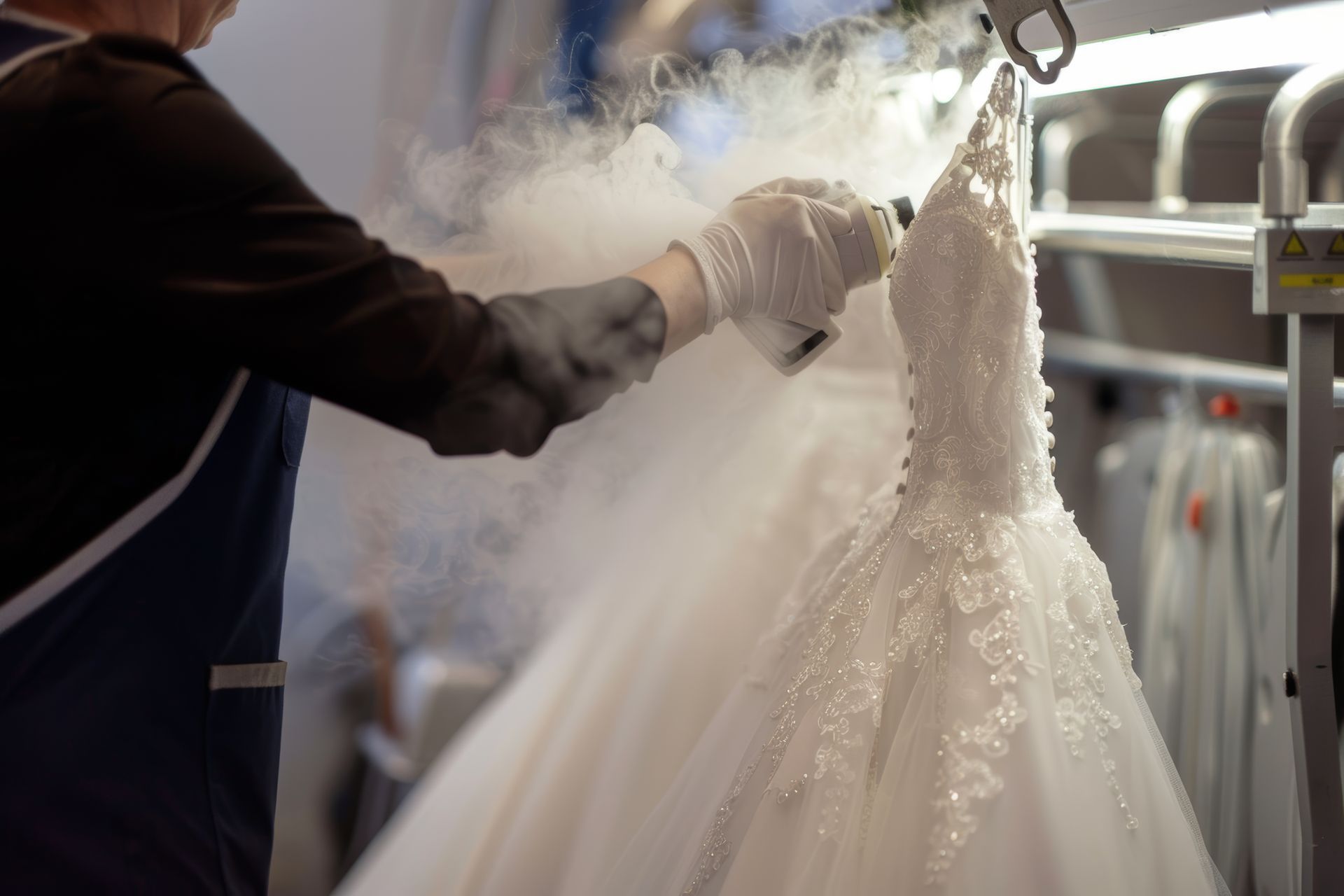
Professional care provides a way to follow dry-clean-only instructions without putting a structured garment through home laundering. Pilgrim uses PERC-free cleaning methods, described as Eco-friendly green dry cleaning solvents. That describes our cleaning approach, not a health guarantee or independent certification. Our team can assess the care label and garment details before cleaning; no method can promise removal of every stain or prevent all wear over time.
For the right next step, check the label and bring dry-clean-only cashmere to the Pilgrim Dry Cleaners. Dry Cleaning Service. That gives you professional handling for garments whose construction or care instructions make home washing a poor fit.
Frequently Asked Questions
How do you wash cashmere sweaters at home?
Cashmere sweaters can be hand washed at home if the care label allows it. Fill a basin with cool or lukewarm water around 68°F, add a wool-safe detergent, and press the sweater gently under the water. Never twist, scrub, or wring it, and press out water softly before laying it flat to dry.
Does cashmere shrink as much as wool does?
Cashmere can shrink or lose its shape when exposed to heat and friction, much like wool, since both come from animal fibers. The good news is that careful washing with cool water and gentle handling goes a long way. Always check the care label first, and skip home washing entirely if it says dry clean only.
Can you use fabric softener on cashmere?
Fabric softener is not the best choice for cashmere. A mild cleanser labeled for wool or delicate fibers is the safer pick, used in a small amount as directed. Baby shampoo sometimes gets suggested, but a wool wash formulated for garments is the clearer option.
Why does my cashmere sweater pill, and is it poor quality?
Pilling happens when loose fibers rub together and tangle into small knots, often under the arms or where a bag strap rests. It doesn't automatically mean a sweater is poorly made. Shorter fibers tend to pill more readily, and avoiding vigorous rubbing during washing helps limit fuzzing.
Does cashmere last a long time?
Cashmere can last for many years with gentle care. Fiber quality plays a role, since longer-staple fibers hold together better than shorter ones, and washing methods matter too. Hand washing when the label allows it, or professional cleaning when it doesn't, protects the fibers season after season.
What should I do if my cashmere care label says dry clean only?
A dry clean only label means the maker recommends professional cleaning rather than home laundering, so don't assume a careful hand wash is interchangeable. Our team at Pilgrim Dry Cleaners handles dry cleaning for delicates like cashmere across 28 Twin Cities locations. Stop by your neighborhood Pilgrim and we'll help you figure out the right next step.
How do you spot clean a small stain on cashmere between washes?
For a small fresh mark on cashmere, blot gently with a clean, damp cloth instead of rubbing. If the label allows water, use a little cool water with a drop of wool wash, then blot again with clean water. If the stain persists, it's best to stop before it spreads and let a professional take a look.