cleaning white shirt
When cleaning a white shirt, more chlorine bleach can make a dingy shirt look worse, not brighter. First identify whether you’re seeing gray buildup or yellowing, then choose a wash temperature that fits the fabric and care label.
Key Takeaways
- Check your white shirt's care label before picking a water temperature, since the right setting depends on the fabric, not just the color.
- Figure out whether the problem is gray buildup or yellowing before you treat it, because each issue calls for a different approach.
- Reach for chlorine bleach last, not first, since overusing it can leave white shirts looking dingier over time.
- Act on stains quickly, because treating a spot early gives you the best chance of saving the shirt.
- When a favorite white shirt keeps fighting back, our team can launder or dry clean it so it comes back bright and ready to wear.
Whites don’t all need a hot wash. Here’s how to read the signs and set a safer temperature before you start.
Why Your White Shirt Keeps Getting Dingier (And Why Bleach Makes It Worse)
Check the care label, then use suitable detergent and a fabric-safe temperature. Don’t add extra chlorine bleach as a shortcut. Repeated use can damage fibers and interfere with optical brighteners, which help fabric look bright white. Yellowing may come from set-in body oils or oxidation, so it calls for a different approach than gray buildup.
The Three Enemies of a White Shirt: Oils, Soil Redeposition and Oxidation
Body oils and perspiration collect around collars, cuffs and underarms. Detergent may not remove all the residue, especially when you wear a shirt repeatedly before washing. Remaining oils can oxidize over time and leave a yellow cast.
Grayness can come from soil redeposition: dirt and residue loosen in the wash, then settle back onto fabric. Overloading the washer or using too much detergent can make soil harder to rinse away. These causes can overlap, so check where discoloration appears and whether it feels like surface buildup.
What Chlorine Bleach Actually Does to Optical White Dye
Optical brighteners make fabric appear whiter by changing how it reflects light. Chlorine bleach is not a universal brightener. Repeated or improper use can harm fibers and disrupt optical whitening, leaving a shirt duller or more yellow-looking. A brighter result isn’t worth risking weakened fabric.
Dingy Gray vs. Set-In Yellow: Two Problems, Two Different Cures
Use this quick check before choosing a wash plan:
- Dingy or gray: The whole shirt looks dull, often after repeated washing. Think residue or soil redeposition.
- Yellowed: Discoloration is concentrated around the collar, cuffs or underarms, where body oils and perspiration gather.
- Possible permanent change: Color remains after careful laundering, or the fabric feels weakened from repeated bleach use. Home washing may not restore it.
A gray-looking shirt may respond to a better wash and rinse routine. Set-in yellowing is harder to reverse, and results depend on the fabric and how long the discoloration has been there. For a shirt that needs professional care, Pilgrim Dry Cleaners. Dry Cleaning Service handles eligible garments according to their care needs.
What Temperature to Wash White Clothes: A Shirt-by-Fabric Guide
Read the Care Label Before You Touch the Dial
The care label comes first, not the shirt’s color. Check its water-temperature symbol and instructions for machine washing, gentle cycles or special handling. If it says cold, a general rule about hot water for whites doesn’t override it.
Fabric names are a starting point, not a replacement for the label. A cotton shirt may have a finish, trim or blended fibers that need gentler treatment. If the label is missing or unclear, choose a cautious setting rather than assuming the hottest option is best.
Temperature Table: Cotton Oxford, Poplin, Pinpoint, Linen and Blends
Whirlpool places hot-water washing for many white fabrics between 90°F and 140°F. Caldwell and Gregory describe 90°F to 110°F warm water as effective for moderately soiled whites. Use the label’s limit to guide your choice within those ranges.
| Fabric | Starting temperature | Cycle | Notes |
|---|---|---|---|
| Cotton Oxford | Warm, about 90°F to 110°F | Normal, if the label allows | For heavier soil, follow the label before choosing a hotter setting. |
| Cotton poplin | Cool or warm | Normal or gentle, per label | Check for finishes and trim that may need cooler water. |
| Pinpoint cotton | Cool or warm | Gentle or normal, per label | Use the care instructions to protect the weave and collar structure. |
| Linen | Cool or warm | Gentle, if permitted | Hot water can increase wrinkling or shrinkage risk. |
| Stretch blends or shirts with delicate trim | Cool | Gentle | Heat can affect elastic fibers, trim and structured details. |
Hot vs. Cold Water: When Heat Helps and When It Ruins the Shirt
Warm or hot water can help with some heavily soiled, durable cotton shirts when the label permits it. Cold water is a cautious choice for blends, delicate details and shirts with a low-temperature instruction. Heat can contribute to shrinkage or damage in sensitive fibers and may set some stains, so check the label first.
Why Hot Water Alone Won't Keep Whites White
Temperature can’t make up for detergent residue, poor rinsing or an overloaded washer, or undo yellowing set into fabric. Match the water to the shirt and focus on a complete wash and rinse.
How to Clean a White Shirt in the Washing Machine, Start to Finish
For cleaning white shirt stains at home, a careful routine matters more than extra detergent or the strongest cycle. Check the care label, then sort, pretreat and wash according to the shirt’s fabric and soil level. Care before washing helps keep residue from settling back onto the fabric.
Sorting Whites: Why Beige and Light Colors Can't Ride Along
Wash white shirts with other whites, not beige, pale gray or pastel clothing. Light colors can release dye, especially when new, and leave white fabric looking dull. Separate heavily soiled shirts from lightly worn ones, too, to reduce soil transfer around the load.
The 7-Step Machine Wash: Detergent, Cycle and Rinse Settings
Once the label confirms machine washing is allowed, follow these steps:
- Empty the pockets. Remove tissues, pens and anything else that could mark the fabric.
- Unbutton the shirt. Open the cuffs and collar, and close any zippers in the load to prevent snags.
- Turn it inside out. Expose body-contact areas to the wash and help reduce surface wear.
- Treat visible marks. Apply a fabric-safe stain product according to its label.
- Measure detergent. Use the amount directed for the load size and soil level. Extra soap can leave residue.
- Choose the cycle and water setting. Follow the care label, and avoid packing the drum tightly.
- Check before drying. If a stain remains, repeat an appropriate treatment rather than applying dryer heat.
A complete rinse helps carry away loosened soil and detergent. If your washer offers an extra-rinse setting and the shirt feels soapy or the load is bulky, use it when the care label permits.
Pre-Treating Collars, Cuffs and Underarms Before the Load
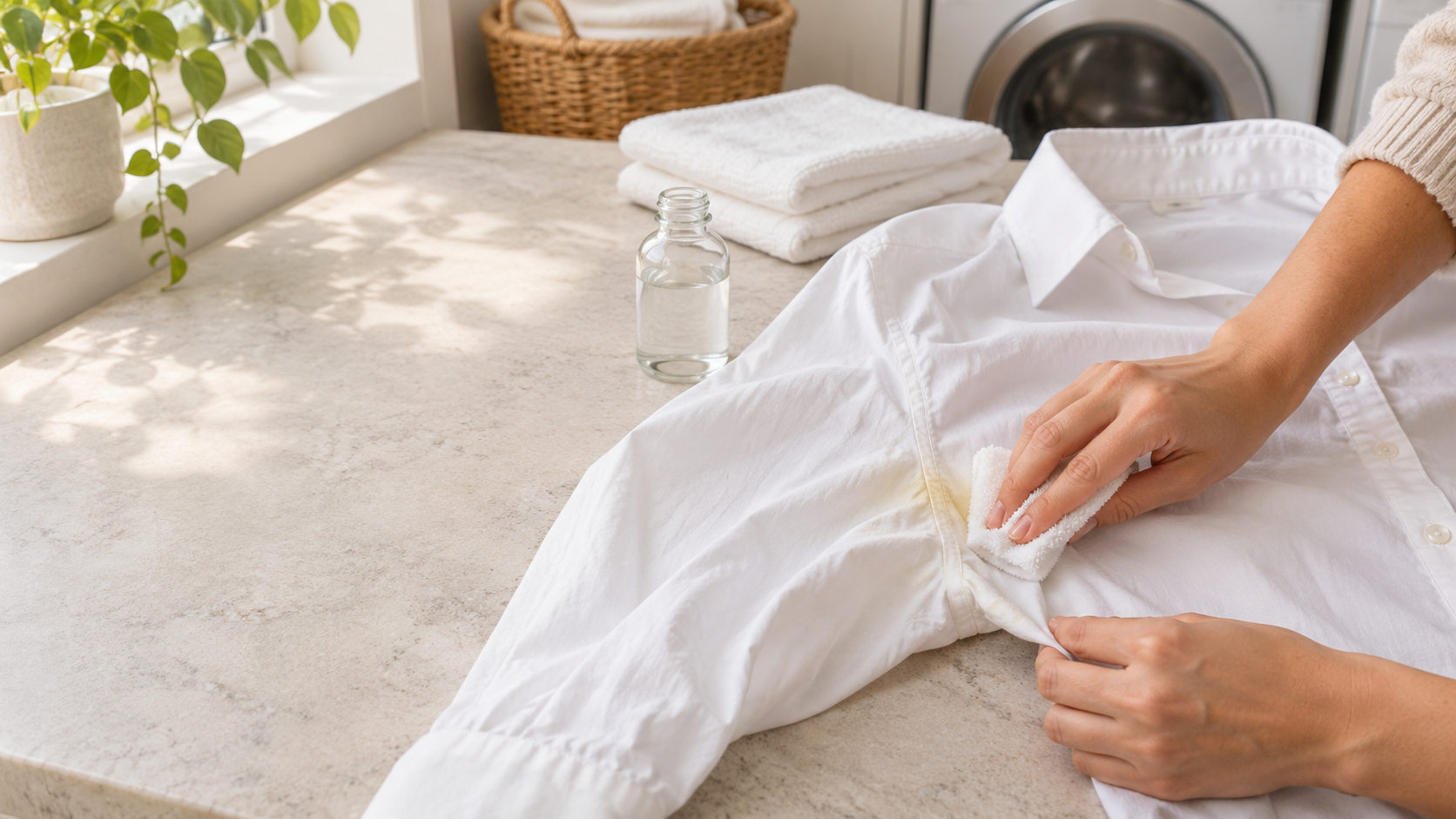
Collars, cuffs and underarms collect body oils, sweat and product residue. Apply a little suitable liquid detergent or garment-safe stain remover, then gently work it into the fabric with your fingers. Avoid aggressive scrubbing, which can roughen fibers or spread a mark.
Hand-Washing a White Shirt When the Label Says No Machine
For a hand-wash-only shirt, fill a clean basin with cool or lukewarm water, as the care label allows. Mix in a little detergent made for delicate garments, submerge the shirt and gently move it through the water. Give soiled areas light attention without twisting or scrubbing.
Rinse with clean water until detergent is gone, then press water out between clean towels. Don’t wring the shirt. Reshape it and dry it as directed on the label.
Stain Cheat Sheet: Removing Sweat, Oil, Coffee and Set-In Stains Without Bleach
Match the treatment to the stain. Protein, coffee and grease respond to different approaches, and an old stain may need more than one careful attempt. Blot fresh spills, work from the back of the fabric when practical, and test treatments on a hidden area first.
Protein, Tannin and Grease: Match the Stain to the Treatment
Use this as a starting point, checking the shirt and product labels. Rinse fresh protein stains with cool water first; hot water can make some protein residues harder to remove. For grease, blot away excess oil instead of rubbing it deeper into the weave.
| Stain | First treatment | Soak or wait |
|---|---|---|
| Sweat or body soil | Apply liquid detergent or a suitable enzyme stain remover | Follow the product label; check before washing |
| Coffee or tea | Rinse from the back with cool water, then pretreat | Allow the pretreatment to sit as directed |
| Cooking oil or grease | Blot, then use a detergent or stain product labeled for grease | Follow its label; inspect before drying |
| Older, set-in mark | Use a fabric-safe stain treatment suited to the stain type | Repeat only as directed, and reassess between attempts |
Deodorant Buildup and Yellow Underarm Stains: The Recovery Plan
Deodorant residue and body oils can build up together, leaving stiff or yellowed areas under the arms. Treat the fabric with liquid detergent or a labeled stain remover, then wash according to the care instructions. If discoloration remains, don’t put the shirt in the dryer. Repeated treatment may help some marks, but not every stain or set-in yellow area can be removed.
Bleach Alternatives Compared: Oxygen Bleach, Baking Soda, Hydrogen Peroxide, Vinegar
These options aren’t interchangeable, and no home treatment suits every fiber or finish. Check the care label and product directions. To wash white clothes with baking soda, dissolve it in the wash water rather than sprinkling a concentrated pile onto a damp shirt.
| Option | Practical use | Caution |
|---|---|---|
| Oxygen bleach | Use a product labeled for the garment and follow its dose directions | Check the care label; it is not suitable for every fabric |
| Baking soda | Add a modest amount to wash water as a laundry aid | It is not a reliable fix for every set-in stain |
| Hydrogen peroxide | Use only when the garment and product directions allow | Test first; it may affect dyes or finishes |
| Vinegar | Some laundry references suggest adding it during the rinse | Do not mix it with bleach or other cleaning products |
For a persistent oil or grease stain, Pilgrim Dry Cleaners. Dry Cleaning Service offers specialized stain removal for oil and grease. The care team can assess whether the shirt is suitable for service; a result cannot be promised.
Realistic Soak Timings: What 30-60 Minutes Actually Accomplishes
A 30- to 60-minute soak can give a labeled treatment time to loosen some soil, but it won’t reverse every stain or repair damaged fabric. Follow the product’s soak time instead of leaving a shirt in solution overnight. Enzyme and peroxide treatments can take time to work; results depend on the stain, fabric and product directions.
If home treatment hasn’t lifted an oil or grease mark, Pilgrim Dry Cleaners. Dry Cleaning Service is another option for an eligible shirt. Share what caused the stain and which products you have already tried.
When to Stop Home Washing and Call a Professional (And How to Keep Whites White After)
Some shirts are poor candidates for another home-treatment experiment. If the care label calls for professional care, the fabric has a special finish, or discoloration remains after careful washing, pause before trying a stronger product. A cleaner can assess the garment and explain options, though no treatment can promise to restore every shirt.
The Stop-Here List: Silk, Wool, Structured Formalwear and Permanently Yellowed Fabric
Do not machine-wash or soak a shirt labeled dry-clean-only. Silk and wool can shrink, distort or lose their finish with unsuitable water and detergent. Structured formal shirts may have interfacing or details that are difficult to reshape at home. If a white shirt has persistent yellowing, a weakened feel or damage from repeated bleach use, stop experimenting; the color change may be permanent.
Drying and Storing White Shirts So They Don't Re-Dull
Before drying, inspect the collar, cuffs and stained areas in good light. If a mark remains, avoid dryer heat and check the care label before another treatment. Heat can make some stains harder to remove, and repeated aggressive washing can wear down fibers.
- Use the drying method allowed by the care label, and reshape the shirt while damp.
- Hang or fold it only after it is fully dry, so moisture does not linger in storage.
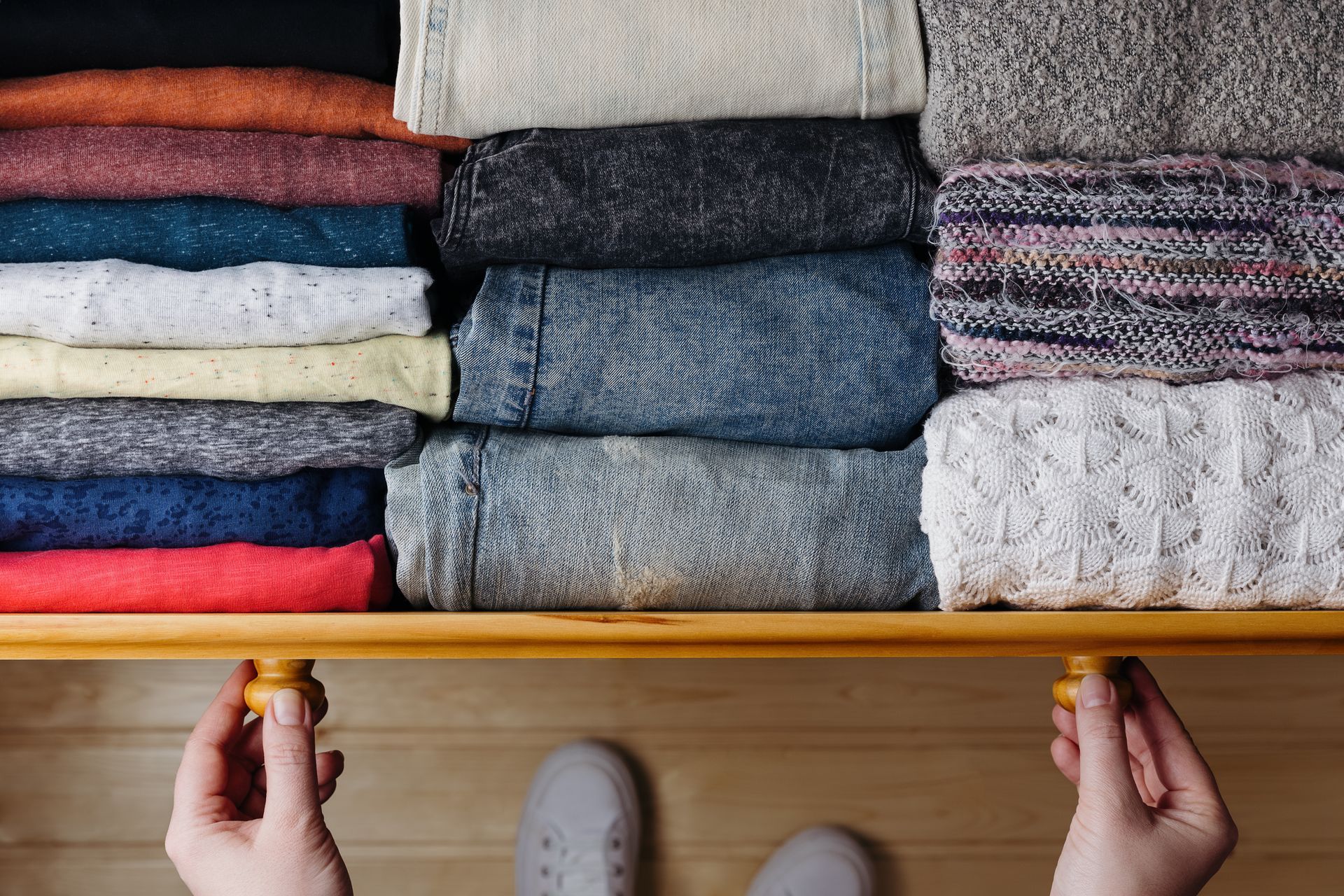
- Store white shirts in a clean, dry closet, away from direct sunlight and dusty surfaces.
- Leave room between garments to reduce crushing and transfer from colored clothing.
What Professional Shirt Laundering and Pressing Actually Does Differently
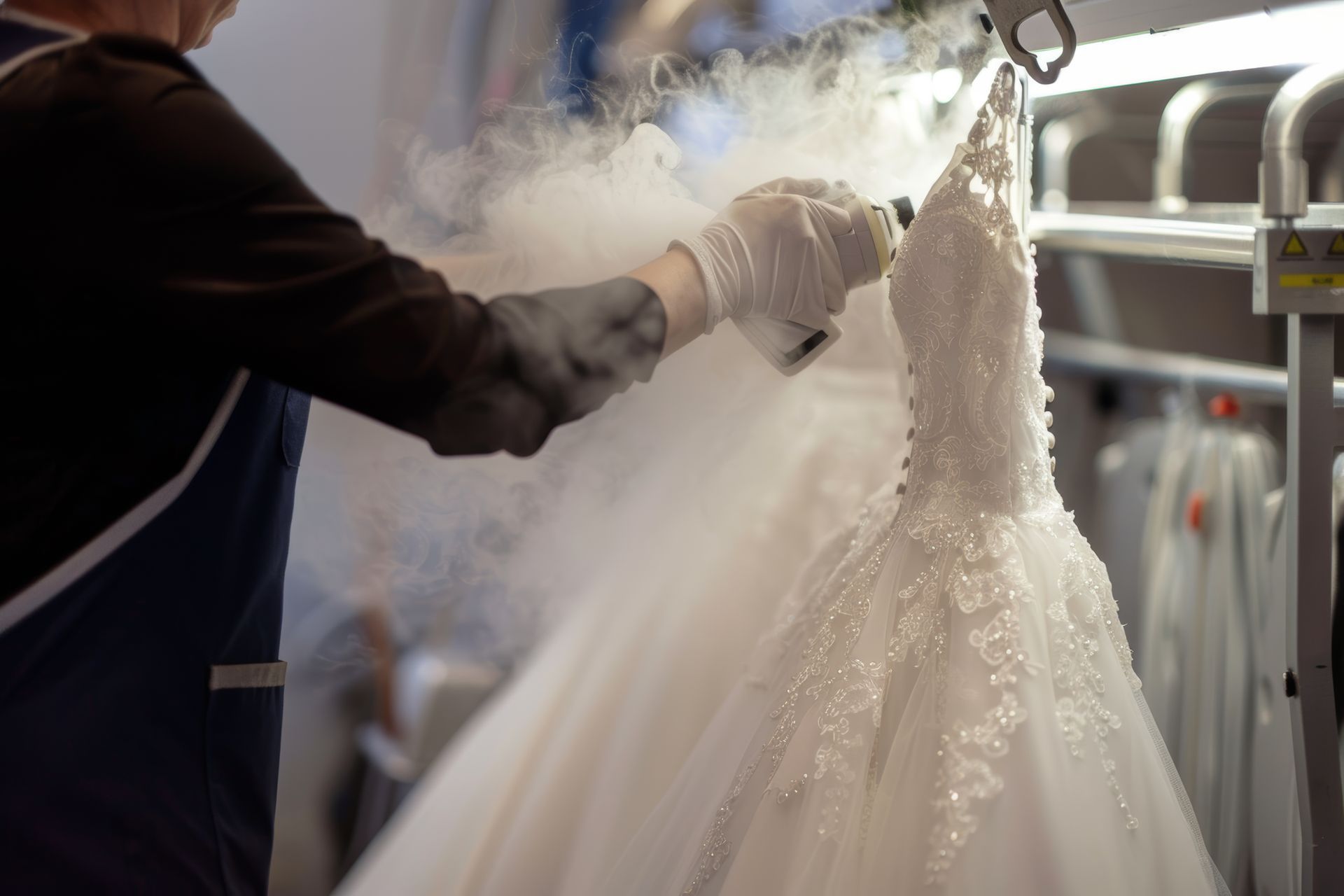
Professional care can make sense for a delicate shirt, a high-stakes outfit or a mark that has resisted suitable home treatment. For dry-clean-only garments, Pilgrim Dry Cleaners. Dry Cleaning Service provides care suited to eligible items. Our team assesses garments and uses specialized stain removal for oil and grease when appropriate; some stains and yellowing cannot be removed.
For washable shirts, Pilgrim Dry Cleaners. Dry Cleaning Service is also an option when you’d rather leave care to professionals. Check the garment’s label and service eligibility before bringing it in. Stop by your neighborhood Pilgrim with the shirt and share what you have already tried.
Frequently Asked Questions
Does baking soda really whiten clothes?
Baking soda can help with cleaning white shirt laundry by softening water and boosting your regular detergent, which helps lift light residue. It is not a true whitener, though. For gray buildup or set-in yellowing, a better wash routine with the right detergent and temperature matters more than any single additive.
Does Dawn dish soap remove stains from white clothes?
Dawn dish soap can help with greasy spots on a white shirt because it is designed to cut through oil. Apply a small amount to the stain, work it in gently, and rinse before washing. Always check the care label first, and never mix dish soap with chlorine bleach.
How do I get white shirts white again?
Start by identifying the problem: gray buildup usually means soil redeposition, while yellowing around collars and cuffs points to oxidized body oils. Check the care label, wash whites separately with the right detergent and temperature, and skip extra chlorine bleach. For set-in discoloration, professional shirt laundering may restore the fabric better than home treatments.
What is the best whitener for dingy white clothes?
The best whitener for a dingy white shirt is not more chlorine bleach. Repeated bleach use can weaken fibers and disrupt the optical brighteners that make fabric look white. A complete wash and rinse routine, correct water temperature for the fabric, and prevention of soil redeposition deliver better, safer results.
How do you get tough stains out of white clothes?
Pretreat tough stains on a white shirt as soon as possible, because heat from a dryer can set them for good. Match the treatment to the stain: body oils need different handling than dirt or grease. If a stain has already been washed and dried, or the fabric feels weakened, professional cleaning is your safest next step.
Why does my white shirt look gray even after washing?
A gray white shirt usually has soil redeposition, where dirt and detergent residue loosen in the wash and settle back onto the fabric. Overloading the washer or using too much detergent makes rinsing harder. Wash whites separately, with other whites only, and avoid cramming the machine so residue can rinse away completely.
Should I wash white shirts in hot or cold water?
The care label decides, not the shirt's color. Durable cotton like oxford often tolerates warm water around 90 to 110 degrees when heavily soiled, while linen, stretch blends and delicate trims do better in cool water. Heat can shrink sensitive fibers or set some stains, so read the label before you touch the dial.