Pillowcase care
Silk can lose its sheen in a rough wash, while cotton usually handles a regular machine cycle. Wash each pillowcase according to its fiber and care label rather than using the same settings for every fabric.
Key Takeaways
- Always check the care label first, since it tells you exactly what your specific pillowcase can handle.
- Delicate fabrics like silk need gentler washing methods to keep their smooth feel and shine.
- Cotton pillowcases are generally more forgiving and can usually handle a standard machine cycle.
- Sorting pillowcases by fabric type before washing helps prevent damage to your more delicate bedding.
- If you would rather not fuss over wash settings, drop your pillowcases off at your neighborhood Pilgrim and consider it handled.
First, a Quick Reality Check: You're Washing the Pillowcase, Not the Pillow
Wash pillowcases regularly, choosing water temperature and cycle for the fabric. Cotton can usually handle a routine wash; delicate silk or satin needs gentler care. This guide covers pillowcases only, not pillow inserts, filling, or whole pillows.
What This Guide Covers (and What It Doesn't)
Pillowcase care means laundering the removable fabric case that touches your face and hair. Check its care label, especially if it is embroidered, vintage, or made from a delicate fiber. The case and the pillow inside it are different items with different cleaning needs.
Why Pillowcase Care Matters for Your Skin and Hair
Oil, sweat, skin-care products, and hair products can build up between washes. A clean case may reduce contact with residue that bothers sensitive skin or contributes to hair breakage through rubbing. It is not an acne or irritation treatment, and a fresh pillowcase cannot replace medical advice.
How Often to Wash: A Simple Schedule by Skin Type, Season, and Fabric
Weekly washing is a practical starting point. Wash more often if you have oily or acne-prone skin, sweat heavily at night, use leave-in hair products, or experience seasonal heat and humidity. Keep a spare case ready between wash days.
- Routine use: Wash weekly.
- Oily skin, heavy sweating, or product buildup: Wash more often, based on what you notice on the fabric.
- Delicate silk or satin: Follow the label and handle gently, while keeping a regular wash rotation.
The Fabric-by-Fabric Washing Guide: Cotton, Linen, Bamboo, Satin, Silk, and Microfiber
Cotton, Percale, and Sateen
Cotton percale and sateen are cotton weaves; follow the label for their specific settings. In general, use a regular or gentle cycle with the warmest water it allows. Turn cases inside out, fasten closures, and avoid overloading the machine. Cases can twist around sheets and come out in a damp knot.
Linen and Bamboo/Viscose
Linen and bamboo-derived viscose can respond differently to water, agitation, and heat, so check the label rather than assuming they share a routine. Use a gentle cycle when permitted and leave room for cases to move. Avoid high heat and rough handling with viscose unless the label allows them.
Microfiber, Modal, and Blends
Microfiber, modal, and blends vary by fiber and finish. Sort by similar colors and care needs, then follow the label’s cycle and temperature. A mesh bag can limit friction for thin or snag-prone cases. If a blend includes silk or another delicate fiber, follow its most restrictive care instructions.
| Fabric | Wash approach | Helpful precaution |
|---|---|---|
| Cotton, percale, sateen | Use the label-approved cycle and temperature | Keep the load roomy to reduce tangling |
| Linen | Choose label-approved settings; gentle handling is a safe default | Avoid excess agitation |
| Bamboo/viscose, modal, blends | Use the care label to select cycle and water temperature | Protect delicate weaves in a mesh bag |
| Microfiber | Follow the label, using a gentle cycle when appropriate | Wash with similar fabrics to limit abrasion |
| Silk and satin | Use the label-approved delicate or hand-wash method | Keep away from harsh detergent and rough loads |
Satin and Silk: Hand-Wash Steps and Machine-Wash Steps
Satin describes a weave, not a fiber, so a satin case may be silk or synthetic. Check the label. Silk is a protein fiber; cool water and mild, non-alkaline detergent are gentler than hot water or a harsh wash. Skip bleach, fabric softener, and optical brighteners on delicate cases.
- For hand washing: Fill a basin with cool water and a little gentle detergent. Submerge the case, move it lightly through the water, and soak briefly. Rinse in cool water without twisting or wringing.
- For machine washing: Use the delicate cycle, cool water, and a mesh bag if the label permits machine washing. Wash with similarly delicate items, not a bulky sheet load that can tug or tangle the case.
Which Detergent for Which Fabric (and What to Skip)
Use a mild detergent suited to the fabric and measure it according to package directions. Delicate silk needs a gentle, non-alkaline formula; cotton and other washable fabrics can use standard detergent if their labels allow it. Too much soap can cling to fabric. Avoid bleach and softener on silk and other delicate cases, since they can affect fibers or finish.
Decode Any Care Label in 30 Seconds
Read the full label, including written instructions, before washing, and follow its most restrictive direction. A tub gives washing guidance, dots indicate heat limits, and crossed-out symbols mean “do not.” Use the symbols together rather than choosing just one.
Wash Symbols and Water Temperature Dots
A wash tub means washing is allowed; a hand inside means hand wash, and a line beneath signals a gentler cycle. A number inside gives the maximum temperature in Celsius. If the label uses dots instead, more dots mean a higher allowed temperature. Match the washer setting to the limit; hot water is not automatically better for marks.
Bleach, Tumble Dry, and Iron Symbols
An empty triangle allows bleach; a crossed-out one means none. A square with a circle refers to tumble drying, and dots inside show the heat limit. A crossed-out drying symbol means air dry. An iron gives pressing guidance, with dots indicating maximum heat; a crossed-out iron means skip ironing.
The Professional-Care Circle and Its Letters
A circle indicates professional cleaning instructions, not a home-washing setting. Letters inside identify the process a cleaner may use; a crossed-out circle means professional cleaning is not allowed under the label’s instructions. Ask a cleaner if you are unsure what a letter means for a particular case.
When the Label Is Missing or Unreadable
If possible, identify the fiber from the packaging or product details. If you cannot confirm the material, avoid hot water, bleach, and aggressive agitation. Test a hidden area with a damp cloth before spot treatment, and stop if color transfers or the fabric changes. For a valuable or delicate case, get professional guidance.
| Symbol or mark | Plain-English meaning | What to do |
|---|---|---|
| Wash tub | Home washing is allowed; numbers or dots set the temperature limit | Choose a setting at or below the stated limit |
| Hand in tub | Hand wash only | Wash gently by hand |
| Triangle | Bleach guidance | Follow the symbol, including any restriction |
| Square with circle | Tumble-dry instructions | Use the labeled heat limit, or air dry if crossed out |
| Iron | Pressing instructions and heat limit | Set iron temperature to the permitted level |
| Circle | Professional-care instructions | Ask a cleaner if the process or letter is unclear |
The Stain-by-Stain Playbook: Makeup, Sunscreen, Sweat, Body Oil, and Blood
Fresh marks are usually easier to treat than stains that have dried or met heat. Check the care label and test stain remover in a hidden area. Blot rather than rub, which can spread a mark or damage a delicate weave. Check whether the stain remains before putting the case in the dryer.
Makeup, Foundation, and Deodorant Marks
Lift excess makeup with a clean spoon or dull edge, then blot. Apply a little liquid detergent or fabric-approved stain remover, working gently from the back of the stain. Deodorant marks may respond to detergent pretreatment. Rinse and inspect before drying. Avoid scrubbing satin or silk, which can dull or snag.
Sunscreen and Body Oil
Sunscreen and body oils can cling to fibers. Blot excess product, pretreat with suitable detergent, and wash according to the label. Inspect before drying. If an oily mark remains, repeat a gentle treatment rather than adding heat, which can make removal harder.
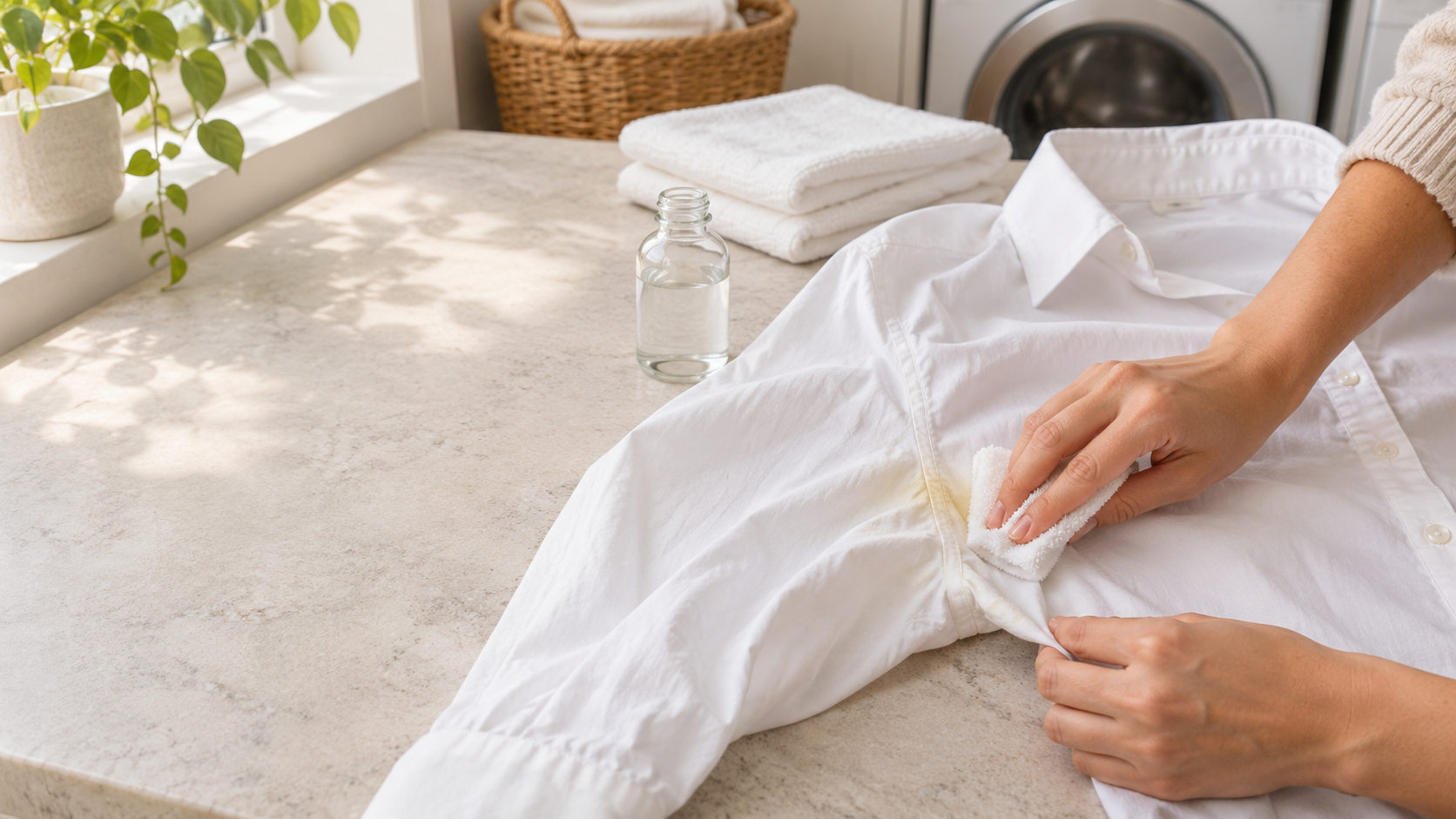
Sweat and Yellowing on White Pillowcases
Pretreat sweat marks or yellowing with suitable detergent, then wash at the warmest temperature the label permits. Check the fabric before using bleach, which is not appropriate for every fiber or finish. If discoloration remains or returns, avoid repeated harsh treatments; set-in residue may be the cause, and aggressive bleaching can weaken or alter fabric.
Blood Stains and the Cold-Water Rule
Rinse fresh blood with cold water as soon as possible, working from the reverse side. Apply a little detergent, let it work briefly, then rinse and check. Hot water can set blood stains. For a delicate or nonwashable case, blot with cold water and seek professional advice rather than soaking it.
When to Stop Home Treatment and Call a Professional
Stop if color bleeds, fabric distorts, or a stain does not improve after careful treatment. Repeated spot cleaning can damage vintage, embroidered, silk, and other delicate pillowcases. Tell a cleaner what caused the stain, which products you used, and whether heat was applied. We can assess the fabric and explain options, though some stains may be permanent.
| Stain | First step | Avoid |
|---|---|---|
| Makeup or foundation | Lift excess, blot, and pretreat gently | Rubbing the stain into the weave |
| Deodorant | Pretreat with fabric-suitable detergent | Scrubbing delicate fibers |
| Sunscreen or body oil | Blot, pretreat, and inspect after washing | Dryer heat while residue remains |
| Sweat or yellowing | Pretreat and wash within the label limit | Unapproved bleach or repeated harsh treatment |
| Blood | Rinse promptly with cold water | Hot water and dryer heat before checking |
Drying, Ironing, and Making Your Pillowcases Last
Check the care label before drying or pressing, and remove the case promptly when the cycle ends. A damp case twisted around sheets can dry unevenly and crease. For delicate or valuable pillowcases, gentle handling is safer than extra heat.
Air Dry, Line Dry, or Tumble: Matching the Method to the Fabric
Air drying suits cases whose labels allow it, especially silk or snag-prone weaves. Smooth the case into shape and hang or lay it flat, away from rough surfaces. If tumble drying is permitted, use the labeled heat setting and remove the case slightly damp to limit wrinkles. Wash with sheets only when their care needs match; a mesh bag and roomy load can help prevent tangling.
Heat, Sun Fading, and Radiator Damage Warnings
High dryer heat can shrink some fibers, weaken delicate fabric, or dull a smooth finish. Direct sun may fade colored cases, and a radiator can expose fabric to uneven heat. Shade and good airflow are gentler. Silk is a protein fiber, so keep it from hot water and high heat, follow its label, and avoid wringing it out.
Ironing and Steaming by Fabric Type
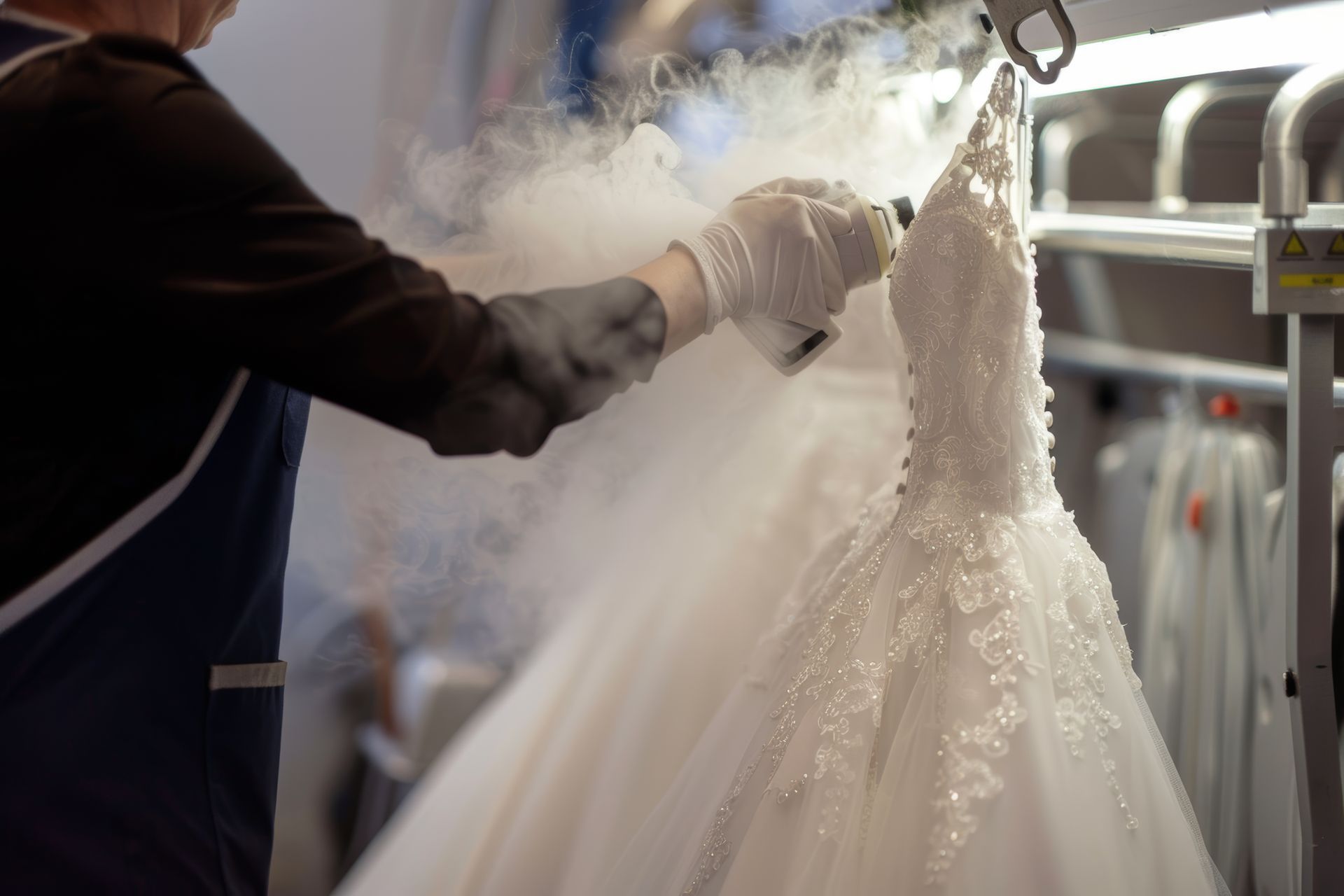
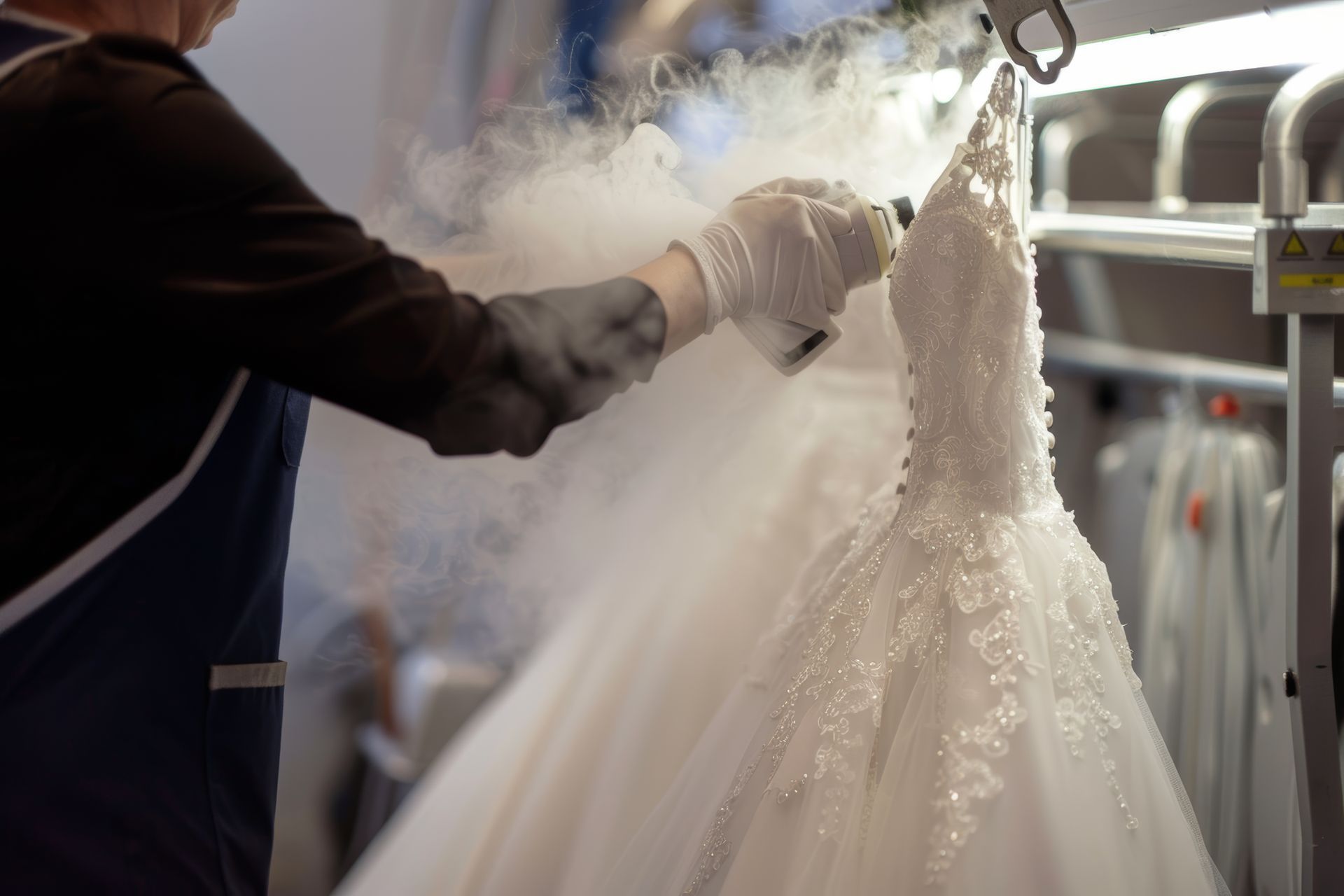
Follow the label’s iron temperature. Press cotton or linen slightly damp if permitted. For silk, use the lowest allowed setting and press the reverse side with a clean pressing cloth. Steaming can relax wrinkles; hold the steamer at a safe distance and test an inconspicuous area first. Skip heat if ironing is prohibited or the finish is uncertain.
Your Wash-Day Checklist and When to Replace a Pillowcase
Check for damage before washing, then use this quick routine:
- Read the label and sort by fabric and color.
- Close fasteners, turn cases inside out, and avoid packing the washer tightly.
- Choose a permitted drying method, then store the case fully dry.
Replace a case when thinning fabric, broken seams, persistent roughness, or damage affects comfort or cleanliness. There is no single replacement timeline; condition matters more than age.
At-Home Drying or Professional Handling?
Pros
- Home air drying gives you control over heat and handling.
- Professional care can be useful for delicate, embroidered, or vintage pillowcases.
Cons
- Air drying takes space and time.
- Professional cleaning may not suit every fabric or care label.
For delicate pillowcases needing professional care, check the label and ask about eligibility. Pilgrim offers pickup and delivery on assigned twice-weekly routes. Check route availability and arrange a pickup through our pickup-and-delivery service.
Frequently Asked Questions
How often should I wash my pillowcases?
Weekly washing is a practical starting point for most pillowcases. You may want to wash more often if you have oily or acne-prone skin, sweat heavily at night, use leave-in hair products, or during warm, humid weather. Keeping a spare case on hand makes wash day easier.
How often does a silk pillowcase need to be washed?
A silk pillowcase should follow the same weekly rotation as other cases, handled gently each time. Follow the care label, using cool water and a mild detergent, whether you hand wash or use the delicate cycle. Just keep the rotation regular, even though the method is gentler.
How do I remove yellow stains from a silk pillowcase?
Start with the gentlest approach: cool water, a mild non-alkaline detergent, and a brief soak rather than hot water or bleach. Harsh products can damage delicate silk fibers and finish. Some set-in stains may not come out completely, so treating them sooner rather than later gives you the best chance.
Why does my husband's pillowcase turn yellow?
Yellowing usually comes from a buildup of oil, sweat, and skin-care or hair products left behind between washes. Nighttime sweating and thicker hair products can speed it up. Washing pillowcases weekly, or more often if the buildup is noticeable, helps reduce that residue.
How can I clean yellowed pillowcases?
Check the care label first, then wash the pillowcase in the warmest water the label allows using a mild detergent. Cotton cases can usually handle a routine machine cycle, while silk and satin need cool water and gentle handling. Skip bleach and fabric softener on delicate fabrics.
Can you put pillows in the washing machine?
Pillowcase care and pillow care are two different things, and this guide covers pillowcases only. Always check the care label on your specific pillow insert before attempting any washing at home. If you are unsure, a professional cleaner can help you figure out what an item can handle.
Should I wash silk pillowcases in hot or cold water?
Cool water is the safer choice for silk pillowcases. Silk is a protein fiber, and cool water with a mild, non-alkaline detergent is gentler than hot water or a harsh wash. Skip bleach, fabric softener, and optical brighteners, and use a mesh bag if the label permits machine washing.